Nelson
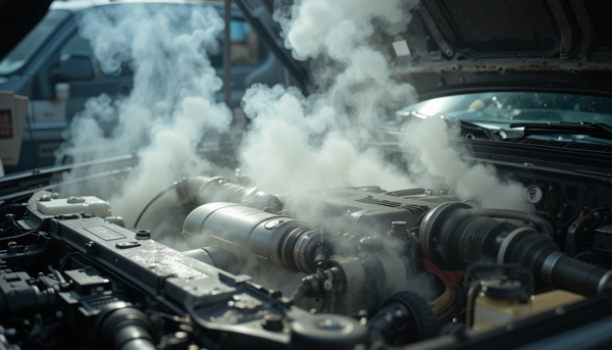
Symptoms of a blown head gasket explained with real-world signs, causes, and what to do next. Learn how to catch it early and save your engine.
Symptoms of a Blown Head Gasket – Warning Signs You Can’t Ignore
Is your car suddenly overheating, misfiring, or smoking like a chimney? 😰
You might be dealing with something far worse than just a bad radiator. A blown head gasket is one of the most feared engine problems for a reason—it’s sneaky, costly, and can wreck your engine if ignored.
So how do you know if your head gasket is toast? In this article, we’ll break down every symptom of a blown head gasket, what causes it, and how to take action fast (before it’s too late).
🔥 What Is a Head Gasket and Why It Matters
The head gasket sits between your engine block and cylinder head. Its job is to:
- Seal the combustion chambers
- Keep coolant and oil from mixing
- Withstand extreme pressure and temperatures
When this seal fails (aka “blows”), it disrupts everything.
🛑 A blown head gasket can lead to overheating, loss of compression, oil contamination, and engine failure.
🚨 Most Common Symptoms of a Blown Head Gasket
Let’s get straight to it. Here are the tell-tale signs you’re dealing with a blown head gasket:
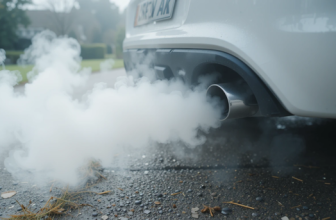
🌬️ White Smoke From the Exhaust
If your exhaust looks like a fog machine, that’s not normal.
When coolant leaks into the combustion chamber, it burns off as white steam or smoke through the tailpipe.
This is usually:
- Continuous, not just during cold starts
- Sweet-smelling
- Most visible on acceleration
👉 Don’t ignore this. It’s one of the most obvious symptoms of internal coolant leakage.
🌡️ Engine Overheating Frequently
A bad head gasket often leads to chronic overheating. Why? Because:
- Coolant leaks out
- Air bubbles enter the cooling system
- Cooling efficiency drops
🔥 Overheating itself can also cause the head gasket to blow in the first place—a vicious cycle!
🧪 Milky Oil or Creamy Dipstick Residue
Coolant mixing with oil turns into a milky, chocolate-milk-like sludge.
Check for:
- Milky film on the oil cap
- Thick goo on your dipstick
- Unusual oil level changes
This means coolant is leaking into your oil passages, which can ruin your engine bearings.
🤒 Loss of Engine Power or Misfires
A blown head gasket messes with your engine’s compression. That leads to:
- Rough idling
- Misfires
- Slow acceleration
- Poor fuel economy
You might feel your car shaking or sputtering, specially when accelerating.
📈 Bubbles in the Radiator or Coolant Reservoir
When combustion gases leak into the cooling system, they create bubbles.
Open your radiator cap when the engine is cold and look for:
- Constant bubbling
- Coolant pushing out
- Overflowing reservoir
This is a solid indicator that exhaust gases are escaping where they shouldn’t.
⚠️ Visible Coolant Leaks Without Obvious Source
Sometimes you lose coolant, but there’s no puddle under your car. That could mean it’s leaking internally due to a blown head gasket.
Keep an eye on:
- Coolant levels dropping fast
- Needing to refill frequently
- Wet spark plugs or white residue on them
🧾 Visual Breakdown of Key Symptoms
| Symptom | What You’ll Notice | Why It Happens |
|---|---|---|
| White smoke from exhaust | Thick steam, sweet smell | Coolant in combustion chamber |
| Engine overheating | Temp gauge rising, boiling fluid | Coolant loss or air in system |
| Milky oil | Creamy oil cap or dipstick | Coolant mixing with oil |
| Engine misfires | Rough idle, shaky acceleration | Loss of compression or coolant in cylinder |
| Bubbles in radiator | Foam or bubbles in coolant | Exhaust gas leaking into cooling system |
😩 What Causes a Head Gasket to Blow in the First Place?
Here are the top culprits:
- Engine overheating (most common)
- Poor cooling system maintenance
- Pre-ignition or detonation
- Warped cylinder head or block
- Extreme pressure from turbocharging
Aging gaskets and cheap materials can also be a factor.
🛠️ Can You Drive With a Blown Head Gasket?
Short answer: Don’t.
Even if your car seems fine, you’re risking:
- Warping your engine block
- Total engine failure
- Permanent internal damage
💡 The sooner you stop driving, the more you save.
💰 How Much Does It Cost to Fix a Blown Head Gasket?
| Type of Vehicle | Estimated Cost | Includes |
|---|---|---|
| Small 4-cylinder engine | $1,000–$1,500 | Labor-intensive, gasket set |
| V6 or V8 engine | $1,800–$2,500+ | More complex disassembly |
| Luxury or turbocharged | $3,000+ | High-performance parts & labor |
Tip: Always get a second opinion or estimate from a certified mechanic.
🧰 Diagnostic Tests Mechanics Use
Want to know for sure? Mechanics use these tests:
- Compression test 🔧
- Cylinder leak-down test
- Cooling system pressure test
- Chemical block test (sniffs for exhaust gas in coolant)
These tests can find a blown gasket before tearing down the engine.
🧊 Temporary Fixes (That Actually Work… For a While)
Note: These are NOT long-term solutions.
If you’re stranded or saving up for repairs:
- Use head gasket sealant (like BlueDevil or Steel Seal)
- Top off with coolant and watch closely
- Drive only short distances
🔧 These may buy you a few weeks—but don’t delay real repair.
🚗 Common Myths About Blown Head Gaskets
Let’s clear up some confusion:
Myth 1: White smoke always means head gasket failure.
Truth: Sometimes it’s just condensation or a cracked cylinder.
Myth 2: A mechanic can “just patch it.”
Truth: Patching doesn’t hold up under pressure—this repair is intense.
Myth 3: It’s always too expensive to fix.
Truth: Catch it early and you may avoid full engine replacement.
📉 Long-Term Effects If You Ignore It
If you delay fixing a blown head gasket, you risk:
- Complete engine breakdown
- Coolant contaminating the catalytic converter
- Thousands in engine replacement costs
- Getting stranded unexpectedly
Not fixing it is like driving with a ticking time bomb under your hood.
🛑 When It’s Time to Tow, Not Drive
If your engine is:
- Overheating after 5–10 minutes
- Spewing white smoke
- Misfiring heavily
Tow it. Don’t risk it. You’re likely doing more harm than good by driving.
👨🔧 How to Prevent Head Gasket Failure
Want to avoid this nightmare in the future? Follow these tips:
- Maintain your cooling system regularly
- Use the right coolant mix
- Change oil on time
- Don’t ignore overheating signs
- Fix engine misfires ASAP
- Avoid aggressive driving on cold starts
🧠 Prevention is cheaper than a $2,000 repair bill!
💬 Final Thoughts
A blown head gasket isn’t just a minor inconvenience—it’s a serious problem that can destroy your engine if ignored.
The symptoms might show up slowly, but once they do, act fast. White smoke, overheating, milky oil, and engine misfires are all red flags.
Trust your gut. If something feels wrong with your car, it probably is.
🚘 Taking early action could save your engine—and your wallet.
❓FAQs
What does white smoke from the exhaust mean?
It usually means coolant is leaking into the engine. This is because of a blown head gasket.
Why is my car overheating and losing coolant?
It might be leaking internally. This could be from a failed head gasket. It causes temperature spikes and fluid loss.
How can I tell if coolant is mixing with oil?
Look for milky or creamy residue on the dipstick or oil cap. This is a sign of contamination.
Can I use head gasket sealer as a fix?
Yes, but only as a temporary solution. It might stop leaks for a short time. But it won’t fix the damage.
How long can I drive with a blown head gasket?
Ideally, not at all. Driving like this will likely cause permanent engine damage.
🔗 References
https://www.autobahnautomotive.com/blog/symptoms-of-a-blown-head-gasket
https://www.enginebuildermag.com/2019/12/diagnosing-a-blown-head-gasket/
https://www.familyhandyman.com/project/how-to-tell-if-you-have-a-blown-head-gasket/