

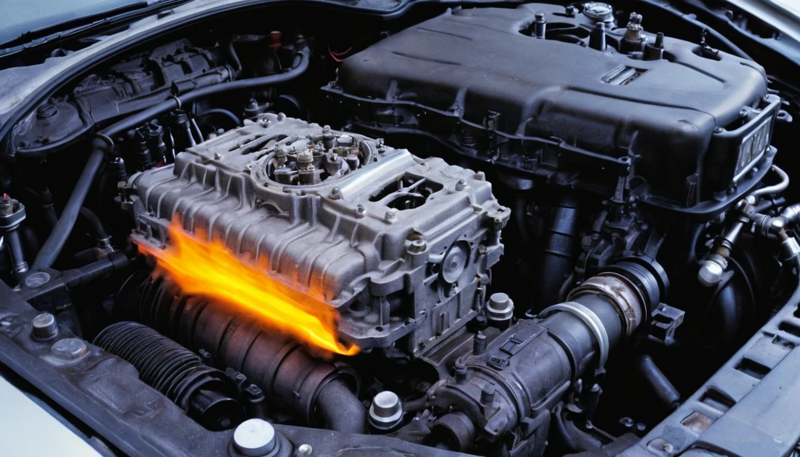
Fix automatic transmission overheating issues easily with proven tips! Discover top reasons and solutions for lasting performance in hot and heavy conditions.
Fix Automatic Transmission Overheating Issues
Is your transmission throwing a tantrum every time it gets hot outside? You’re not alone.
Automatic transmission overheating is a big problem, more so in hot places or when you’re hauling heavy loads. But, you can fix it without spending a lot or losing your mind.
Whether you’re facing scorching summers or towing up a steep hill, this guide will help. It explains why your transmission might be overheating and how to stop it.
Let’s dive right in! 🚗💨
🔧 What Causes Automatic Transmission Overheating?
The main reasons for overheating transmissions are:
- Low or degraded transmission fluid
- Faulty transmission cooler or radiator
- Heavy towing without added cooling support
- Blocked fluid lines or filters
- Driving in stop-and-go traffic for extended periods
Your transmission is like a marathon runner—it needs to stay cool to perform well. If it gets too hot, it starts slipping, whining, or failing.
💡 How Do You Know If Your Transmission Is Overheating?
Warning signs include:
- Burning smell (like toasted rubber 🔥)
- Slipping gears
- Hard or delayed shifting
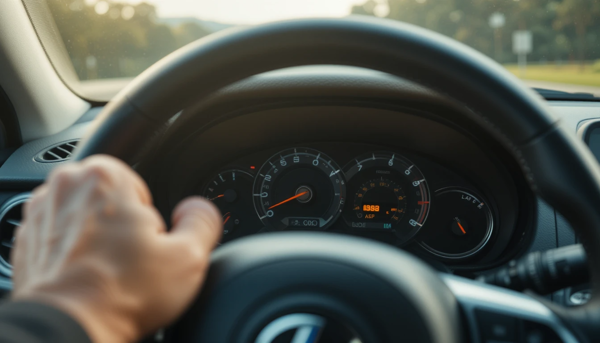
- Transmission warning light
- High transmission temperature on the dash (if equipped)
Pro tip: Trust your nose and your dashboard. If something smells bad or the transmission light flashes, don’t ignore it.
🚿 Step 1: Check and Replace Transmission Fluid
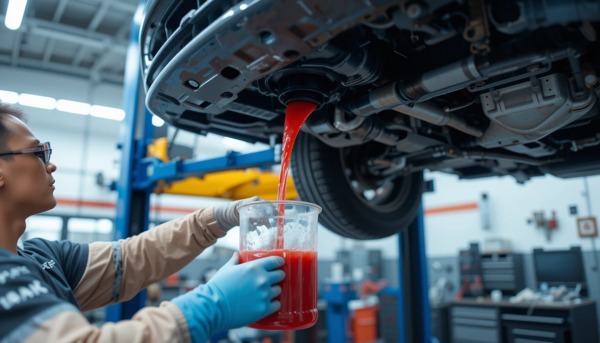
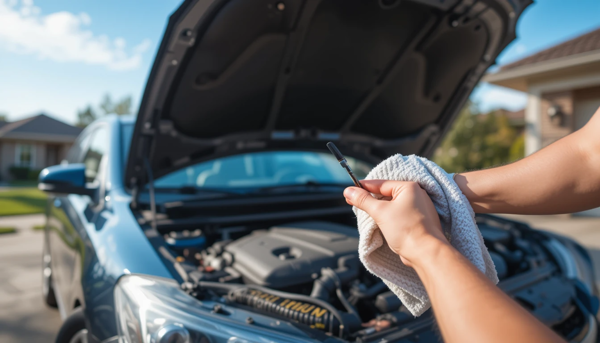
Fresh transmission fluid is crucial. Over time, it breaks down and can’t cool or lubricate properly.
- Pull the dipstick (when the engine is warm)
- Check color: Bright red is good, brown/black is bad
- Look for metal shavings or a burnt smell
- Top off or replace if needed (always use manufacturer-recommended fluid)
Bonus tip: Flush your system if it hasn’t been done in the last 50,000 miles.
🧊 Install a Transmission Cooler
A transmission cooler is like giving your car a mini AC unit. It reduces fluid temps and extends transmission life.
Benefits of an External Transmission Cooler:
- Cools fluid before it re-enters transmission
- Protects when towing or driving in high heat
- Easy to install for most vehicles
Table: Recommended Transmission Cooler Sizes by Vehicle Type
| Vehicle Type | Suggested Cooler Size | Towing/Heavy Use Option |
|---|---|---|
| Small Car | 7″ x 11″ | 9″ x 12″ |
| Mid-size SUV | 9″ x 12″ | 11″ x 14″ |
| Full-size Truck | 11″ x 14″ | 13″ x 15″ |
🛠️ Clean or Replace Transmission Filter
A clogged transmission filter chokes fluid flow like a bad artery.
- Locate your filter (usually inside the pan)
- Remove and inspect for gunk or debris
- Replace with a high-quality aftermarket or OEM filter
Pro Tip: Change the pan gasket while you’re in there. It prevents future leaks.
🚦 How to Prevent Transmission Overheating in Traffic
Stuck in rush hour often? You’re cooking your transmission if you’re not careful.
Here’s what helps:
- Shift to neutral when stopped 🚦
- Use synthetic transmission fluid (handles heat better)
- Turn off overdrive in stop-and-go traffic
- Avoid tailgating—less braking = less heat
🧼 Clean the Radiator and Transmission Cooler
Dirt and bugs block airflow and cause heat build-up.
- Spray the radiator and cooler fins with a hose
- Use a fin comb to straighten bent fins
- Remove debris that limits airflow
Think of it like giving your car a breath of fresh air. 😮💨
🧰 Install a Transmission Temperature Gauge
You can’t fix what you can’t see. Add a temp gauge to get real-time readings.
Ideal transmission temp range: 175–200°F
Temps above 240°F? You’re risking serious damage. Install the gauge near the cooler line for best accuracy.
🗣️ How can I stop my transmission from overheating while towing?
Towing puts extra stress on your transmission. Here’s how to stay cool:
- Install a heavy-duty transmission cooler
- Use tow/haul mode if your car has it
- Check transmission fluid every trip
- Don’t overload your trailer
🗣️ What is the best transmission fluid to prevent overheating?
Look for:
- Synthetic ATF – better thermal resistance
- Additives for high heat tolerance
- Brand compatibility with your vehicle (Valvoline, Mobil 1, etc.)
Table: Popular Synthetic Transmission Fluids and Benefits
| Brand | Key Feature | Best For |
| Valvoline MaxLife | Extended performance | High-mileage vehicles |
| Mobil 1 Synthetic | Extreme temperature range | Towing, hot weather |
| Amsoil ATF | Smooth shifting & cooling | Performance cars & trucks |
🗣️ How can I cool down my transmission fast?
If temps spike:
- Pull over safely
- Shift to Park and idle engine
- Turn off A/C to reduce engine load
- Open hood to release heat
- Wait 10–15 minutes before driving again
Never pour water on the transmission—it’s not your radiator!
🧊 Use a Transmission Additive
Additives can lower temp and extend transmission life.
- Look for brands like Lucas, Sea Foam, or Hot Shot’s Secret
- Reduces friction and heat buildup
- Ideal for older transmissions needing a boost
Always read the label to ensure compatibility.
🗣️ How do I know if my transmission cooler is working?
Here’s how to check:
- Feel the lines: one should be warm, the return line cooler
- Use your temp gauge (before/after cooler)
- If both lines are hot, it’s not doing its job
🧯 Can a bad thermostat cause transmission overheating?
Yes! If your engine runs hot due to a stuck thermostat, it can heat up the transmission too.
- Replace the thermostat regularly (every 5 years or 50K miles)
- Consider a lower-temp thermostat for hot climates
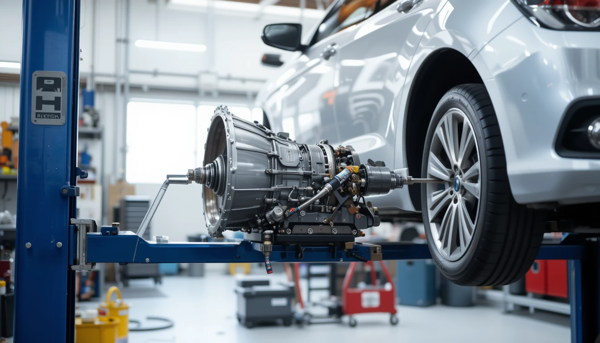
🔄 Rebuild or Replace? When Overheating Has Done Damage
If your transmission is slipping, overheating, and leaking—even after all these fixes—you may need a rebuild.
Signs You May Need a Rebuild:
- Metal shavings in fluid
- Persistent overheating
- No improvement after cooler installation
- Shifting delays or refusal to engage gears
Table: Rebuild vs. Replace – Pros & Cons
| Option | Pros | Cons |
| Rebuild | Less expensive, keeps original | Takes longer, may not last |
| Replace | Newer components, warranty | Expensive upfront |
🗣️ How long can I drive with an overheating transmission?
Short answer: Not long. A few miles at high temps can cause lasting damage.
- Stop immediately
- Let it cool
- Address the root cause before driving again
🔚 Final Thoughts: Keep Your Transmission Cool and Strong
Automatic transmission overheating doesn’t mean the end of the road. With the right tools, knowledge, and maintenance habits, you can avoid costly repairs and keep your ride smooth for years.
Here’s your quick recap:
- Monitor temps with a gauge 📊
- Use synthetic fluid and additives
- Install a transmission cooler
- Keep things clean and unclogged
- Don’t ignore warning signs
Staying cool isn’t just for you—it’s for your car, too. 😎
🙋♂️ FAQs
1. Will changing transmission fluid help with overheating?
Yes! Old or low fluid is often the root cause of heat issues.
2. How much does a transmission cooler cost to install?
DIY kits cost $50–$150. Professional installation may run $200–$400.
3. Is synthetic ATF really better for heat?
Absolutely. It holds up better in extreme conditions and resists breaking down.
4. Can I drive with a transmission temp light on?
Only to pull over safely. Driving further risks major damage.
5. Can overheating damage other parts of my car?
Yes, including the radiator, hoses, and engine if left unchecked.
Leave a Reply