


How many miles do tires usually last? Discover the real answer, expert insights, and tips to make your tires last longer.
How Many Miles Do Tires Usually Last? 🚗💨
Ever wonder if your tires are secretly screaming for help? Most drivers don’t realize how critical tire life is—until something goes wrong. So if you’re asking “How many miles do tires usually last?”—you’re already ahead of the game.
Let’s get right to it.
Most tires last between 40,000 to 70,000 miles.
That’s the industry average for standard all-season tires. Your actual mileage may vary. This depends on driving habits, road conditions, tire type, maintenance, and climate.
This guide will walk you through everything you need to know. From lifespan averages to expert tips that’ll squeeze every mile out of your rubber.
What Is the Average Tire Lifespan? 📅
The average tire lifespan isn’t set in stone, but here’s a breakdown:
| Tire Type | Estimated Lifespan |
|---|---|
| All-Season Tires | 50,000–70,000 miles |
| Summer Performance Tires | 20,000–40,000 miles |
| Winter/Snow Tires | 30,000–40,000 miles |
| Off-Road Tires | 20,000–50,000 miles |
| Touring Tires | Up to 80,000 miles |
➡️ Note: High-performance tires tend to wear faster due to softer rubber compounds.
How Driving Habits Impact Tire Mileage 🚦
You could have the best tires on the planet, but bad driving habits can shave years off their life.
Common habits that wear tires down fast:
- Hard braking
- Aggressive cornering
- Rapid acceleration
- Ignoring potholes or curbs
- Carrying excess weight
💡 Drive like there’s a glass of water on your dashboard. If it doesn’t spill, your tires will thank you.
Tire Maintenance Tips to Maximize Lifespan 🛠️
Routine care isn’t optional—it’s essential. Here’s what you should be doing:
- Rotate your tires every 5,000 to 7,500 miles
- Check tire pressure monthly
- Inspect for uneven tread wear or bulges
- Balance and align your tires once a year
- Avoid mixing tire brands or types
Pro Tip: Underinflated tires are a lifespan killer. They create more friction and heat, causing faster tread wear.
How Tread Depth Affects Tire Life 📏
Tread depth is like a tire’s health score. New tires start at 10/32″ to 12/32″. But when it gets to 2/32″, it’s time to replace them.
| Tread Depth (in 32nds) | Condition | Recommended Action |
|---|---|---|
| 10/32″ to 12/32″ | Excellent | Keep using |
| 6/32″ to 9/32″ | Fair | Monitor regularly |
| 3/32″ to 5/32″ | Caution | Consider replacing soon |
| 2/32″ or less | Unsafe | Replace immediately |
🚨 Low tread = longer stopping distances + higher risk of blowouts.
Does Climate Affect Tire Longevity? 🌡️❄️
Yes—extreme climates absolutely impact how long tires last.
In hot weather:
- Tires overheat faster
- Rubber compounds degrade sooner
In cold weather:
- Rubber stiffens
- Cracking becomes more common
🛑 If you live in areas with extreme temps, consider switching seasonally between summer and winter tires.
The Role of Tire Brand & Quality 👑
Not all tires are created equal. Premium brands use advanced rubber tech and better tread design.
Here’s a rough comparison:
| Brand Type | Average Lifespan | Cost Range (per tire) |
|---|---|---|
| Premium (Michelin, Bridgestone) | 60,000–80,000 miles | $120–$250 |
| Mid-range (Kumho, Hankook) | 45,000–60,000 miles | $80–$150 |
| Budget (Ironman, Lexani) | 25,000–45,000 miles | $50–$90 |
💰 Spending a bit more upfront can save you long-term replacement costs.
How Tire Type Affects Mileage 🛞
Each type has a purpose—and a different shelf life:
- All-Season: Balanced for year-round use. Great lifespan.
- Performance: Grippy and fun—but wear quickly.
- Touring: Focused on comfort and longevity.
- Off-Road: Rugged, but tread wears fast on pavement.
- Winter Tires: Soft rubber wears down quickly in warm temps.
🎯 Choose the right tire for how and where you drive.
Signs It’s Time to Replace Your Tires 🔄
Don’t wait for a blowout. Look out for these red flags:
- Visible tread wear indicators
- Cracks on the sidewalls
- Bulges or bubbles
- Constant air pressure loss
- Vibrations while driving
🧠 Trust your instincts—if something feels off, get them checked.
Can Tires Expire Even with Good Tread? ⏳
Yes. Rubber gets old, even if you don’t drive much. Most makers say to replace them at 6–10 years, no matter the tread.
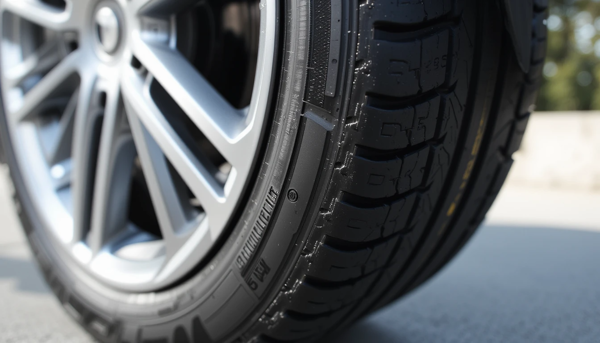
To see how old your tires are, look for the DOT code on the side. The last 4 numbers tell you the week and year they were made. For example:
- DOT…3619 = 36th week of 2019
📅 Even “garage queens” need fresh shoes.
Tire Rotation: Why It Matters 🔁
Tires don’t wear evenly on their own. Rotating them helps:
- Spread wear evenly
- Stop early tire failure
- Keep traction and handling good
📌 Schedule rotation with every oil change for simplicity.
What About Wheel Alignment and Balance? 🎯
Wheel alignment makes sure your tires hit the road right. If not, they can wear out fast.
Signs of misalignment:
- Pulling to one side
- Crooked steering wheel
- Uneven tire wear
Balancing stops vibration and saves tread.
🛠️ Get both checked annually—or sooner if you hit a nasty pothole.
How Load Capacity Affects Tire Life 🏋️
Driving too heavy? That’s a bad idea.
Each tire can only carry so much. Too much weight means:
- More friction
- Higher heat
- Faster wear
📙 Check your owner’s manual or tire placard for proper load ratings.
Fuel Efficiency and Tire Life 🛢️
Did you know underinflated tires lower gas mileage by 0.2% for every 1 PSI drop? That adds up over time.
Maintaining proper pressure = better fuel economy + longer tire life.
⛽ It’s a win-win for your wallet and your wheels.
DIY vs. Professional Tire Checks 🧰
It’s good to check tires monthly, but a pro should look deeper every 6 months.
- DIY = pressure, tread depth, and visual damage
- Pro = alignment, balancing, internal wear
🔍 A quick inspection could prevent a costly blowout.
Tips to Extend Tire Mileage 🚘✨
Want to make your tires last longer? Here’s a cheat sheet:
- Avoid harsh driving
- Stick to tire rotation schedules
- Keep tires properly inflated
- Use seasonally appropriate tires
- Buy quality over price
🔥 Take care of your tires—and they’ll take care of you.
Final Thoughts: How Many Miles Will Your Tires Last? 💭
So, how many miles do tires usually last? It’s not the same for everyone. It depends on quality, care, and common sense.
If you’re driving over 50,000 miles before changing tires, you’re on the right track. If not, it’s time to change how you treat them.
Remember, tires are your car’s only touch with the road. Take care of them, and they’ll give you smooth, safe rides. 🛣️
FAQs
How do I know if my tires are good?
Check the tread depth, look for cracks, and make sure they’re not older than 6 years.
What’s the best way to make tires last longer?
Keep them inflated, rotate them often, and drive gently.
Should I replace all four tires at once?
Yes, if they’re all worn evenly. It keeps your car handling well.
How often should I rotate my tires?
Every 5,000 to 7,500 miles or as your manual says.
Can tires wear out from not being used?
Yes. Rubber gets old, even if the tread looks good.
References
https://www.tirerack.com/
https://www.nhtsa.gov/equipment/tires
https://www.consumerreports.org/cro/tires
Would you like a matching featured image prompt next?


Leave a Reply