

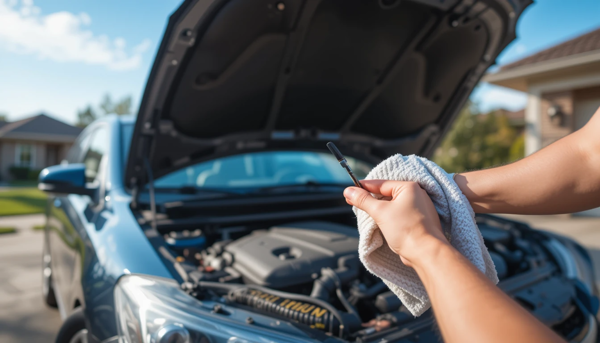
How to check transmission fluid level easily at home! Stay safe on the road with this simple, step-by-step guide. No mechanic needed.
How to Check Transmission Fluid Level 🛠️ (The Right Way Without a Mechanic)
Ever wondered if your car’s transmission is crying for help—but you just can’t hear it?
You’re not alone. Checking the transmission fluid level is very important. And yes, you can do it at home, even if you don’t know much about cars.
In this guide, you’ll learn how to check transmission fluid the right way. You’ll also find out why it’s important, what signs to watch for, and what to do if you see something wrong.
Let’s make your transmission easy to understand 💡
Why Transmission Fluid Matters So Much 🧃
Transmission fluid is like your car’s blood.
It keeps gears cool, reduces friction, and makes shifting smooth. If it gets low or dirty, your transmission could fail fast. 😬
Here’s what it does:
- Lubricates moving parts
- Keeps the transmission cool
- Transfers power from engine to wheels
- Maintains hydraulic pressure
- Prevents wear and tear
If the fluid level drops, you might feel jerks, hear whining, or even face total transmission failure.
Can You Check Transmission Fluid at Home? 🏠
Absolutely!
You don’t need fancy tools, a mechanic’s lift, or a garage.
All you need is a clean rag, a few minutes, and some basic knowledge.
What you do need is:
- A flat surface (driveway or garage)
- A warm engine (not cold, not hot)
- A bit of patience 😊
Types of Transmissions: Know What You’re Dealing With ⚙️
Before you open the hood, know what kind of transmission your car has. Each one needs different fluid handling.
| Transmission Type | Fluid Check Method | Notes |
|---|---|---|
| Automatic Transmission | Dipstick (usually) | Most common method |
| Manual Transmission | No dipstick | Requires undercarriage access |
| CVT (Continuously Variable) | May require dealer | Often sealed, check manual |
| Dual-Clutch Transmission | Dealer-only | Special tools often required |
Always check your owner’s manual for instructions specific to your vehicle.
Tools You’ll Need for the Job 🔧
Keep it simple. Here’s your mini toolkit:
- Lint-free rag or paper towel
- Flashlight (optional)
- Funnel (just in case you need to top off)
- Gloves (optional but recommended)
Step-by-Step: How to Check Transmission Fluid Level 🪛
Alright, ready to get your hands a little dirty?
Here’s your easy step-by-step guide:
1. Park on a Level Surface 🚗
Make sure your car is parked on flat ground.
Apply the parking brake and keep the engine running.
2. Warm Up the Engine 🔥
Let your car run for about 5–10 minutes.
You want the fluid to reach operating temperature for an accurate read.
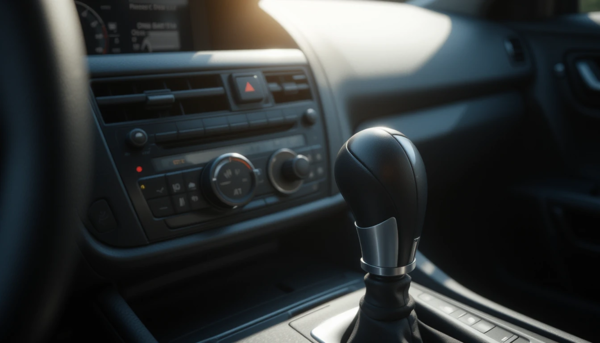
3. Shift Through Gears 🔁
With your foot on the brake, slowly shift through all the gears (P, R, N, D).
This circulates the fluid through the system.
4. Pop the Hood and Find the Dipstick 🧰
Look for a dipstick labeled “Transmission”—usually red, yellow, or orange.
Not all cars have one!
Pro Tip: If there’s no dipstick, your car may be sealed and require a mechanic.
5. Pull Out the Dipstick 👇
Wipe it clean with your rag.
Then reinsert it fully and pull it out again to check the level.
Understanding the Dipstick Reading 📏
Now, let’s decode what you’re seeing on that dipstick.
| Dipstick Reading | What It Means | Action Needed |
|---|---|---|
| In “Full” zone | Perfect level | No action needed 👍 |
| Below “Add” line | Fluid is low | Add correct fluid type |
| Foamy or bubbly | Contamination detected | Visit mechanic immediately |
| Burnt smell/dark | Old or overheated fluid | Needs full transmission service |
Fluid should be pinkish or light red and smell slightly sweet.
Dark, burnt, or gritty? 🚩 It’s time for a flush.
How Often Should You Check It? 🗓️
Every car is different, but here’s a general rule:
- Automatic transmission: Check monthly
- Manual transmission: Check every 30,000 miles or 2 years
- CVT or sealed: Follow manufacturer’s recommendations
Also check it:
- After long trips
- Before/after towing
- When transmission feels off
When (and How) to Add Transmission Fluid 🛢️
If your fluid is low, don’t panic.
Here’s how to add more:
- Grab a funnel and the correct type of transmission fluid (refer to your manual).
- Insert the funnel into the dipstick tube.
- Pour slowly. Less is more—start with 1/4 quart.
- Re-check the level.
- Repeat if needed.
⚠️ Don’t overfill! That can damage the transmission.
Signs Your Transmission Fluid Needs Help 🚨
Sometimes your car screams for help… in its own way.
Watch for these warning signs:
- Sluggish shifting
- Strange noises
- Burning smell
- Transmission slipping
- Warning lights on dash
If you notice any of these? Time for a mechanic.
Mistakes to Avoid ❌
Even pros mess up. Avoid these common missteps:
- Checking fluid while the engine is cold
- Using the wrong type of fluid
- Overfilling the system
- Ignoring unusual smells or color
- Not cleaning the dipstick before reading
Can Low Transmission Fluid Cause Damage? 😱
Yes—serious damage.
Without enough fluid, metal parts grind, overheat, and wear out faster.
That means costly repairs—or full transmission replacement 💸
Always better to top off than replace the whole thing!
Is It Safe to Drive With Low Transmission Fluid? 🚫
Not really.
If it’s slightly low, a short drive may not hurt.
But if it’s very low or leaking? Stop driving immediately.
Call a tow truck or top it off before heading anywhere.
Do All Cars Have a Transmission Dipstick? ❓
Surprisingly, no.
Many modern vehicles have sealed transmissions.
That means no dipstick and no easy access for DIY checks.
| Brand Examples with Sealed Systems |
|---|
| BMW |
| Mercedes-Benz |
| Honda (some models) |
| Ford (certain new models) |
For these? You’ll need a shop or dealership.
How to Tell If Your Transmission Is Sealed 🔒
- No dipstick under the hood
- Owner’s manual says “dealer service only”
- Fluid check requires lifting the vehicle
When in doubt—Google your car’s make, model, and year along with “transmission fluid check.”
Can You Use Any Transmission Fluid? 🤔
Nope—not all fluids are created equal.
Types include:
- ATF+4
- Dexron III
- Mercon V
- CVT fluid (special blend)
- Dual clutch fluid
Check the cap or your owner’s manual to avoid mixing the wrong kind.
Conclusion: Keep It Smooth and Simple 💡
Checking your transmission fluid level is easier than most people think.
With a little time and attention, you can spot problems early, extend your transmission’s life, and stay safe on the road.
👉 Park flat. Warm it up. Dip and read. Top off if needed.
Repeat monthly, and you’ll save yourself thousands down the line.
Take control of your car’s health—one dipstick at a time. 🚗✨
FAQs
How do I check transmission fluid without a dipstick?
Most sealed systems need you to lift the car. Then, you can find the fill plug underneath. Check your manual or see a mechanic.
How often should I check transmission fluid level?
For automatics, check every month. For manuals or CVTs, look at your car’s maintenance schedule.
What color should my transmission fluid be?
Clean fluid is pinkish-red. If it’s dark, gritty, or smells burnt, it’s time to change it.
Can I drive with low transmission fluid?
No, it’s not safe. Low fluid can cause overheating and damage. Fill it up or get help.
What happens if I overfill transmission fluid?
Too much fluid can cause problems. It can lead to foaming, pressure buildup, and damage. Always add a little at a time and check the level.
References
https://www.napaonline.com
https://www.familyhandyman.com
https://www.autoblog.com




Leave a Reply