

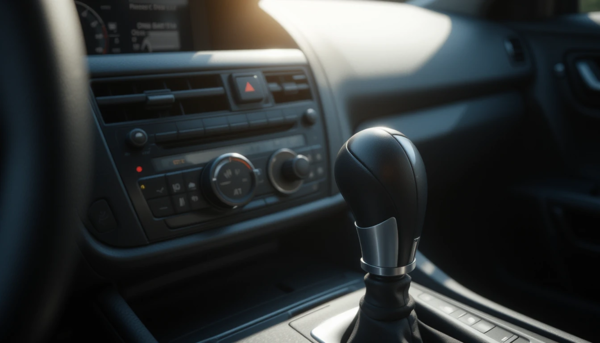
Early signs of transmission failure can save you from costly repairs. Learn how to spot and fix issues before it’s too late.
Early Signs of Transmission Failure: Spot the Red Flags Early 🚨
Ever Felt Your Car Hesitate When You Shift Gears? 🤔
That gut feeling that something’s off? Yeah, don’t ignore it.
Many car owners miss the early signs of transmission failure—until it’s too late. But what if you could catch the problem before it becomes a wallet-draining disaster?
In this guide, we’ll uncover the key warning signs, what they mean, and what you should do next. Because when it comes to your car’s transmission, what you don’t know can hurt you.
What Is a Transmission, Anyways? ⚙️
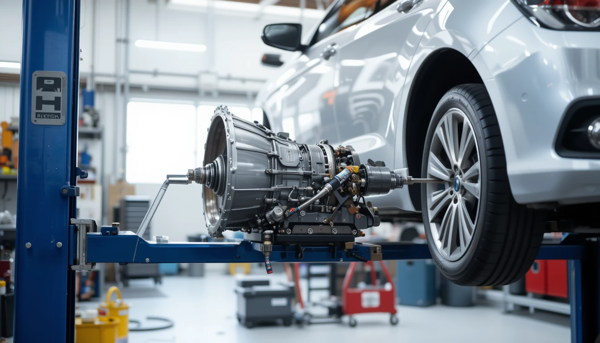
The transmission is your vehicle’s power translator. It transfers power from the engine to the wheels by shifting gears—kind of like how a bicycle chain changes gears when you go uphill.
There are two main types of transmissions:
- Automatic: Shifts gears for you
- Manual: Requires driver input to change gears
Either way, if your transmission starts to fail, your car won’t drive right—or at all. That’s why spotting trouble early matters.
1. Sluggish or Delayed Gear Shifts 😟
If your car hesitates or takes too long to shift gears, you may be dealing with a failing transmission.
Watch for these signs:
- Engine revs higher than normal before gear change
- Jerky transitions from one gear to another
- Delay when switching from park to drive or reverse
🛠 It could mean your transmission fluid is low—or something more serious.
2. Strange Noises While Driving 🚗🔊
You know your car better than anyone. If it starts making odd noises, listen up.
Common sounds include:
- Whining: When you accelerate
- Clunking: When shifting gears
- Buzzing or humming: From underneath the car
These noises could be signs of worn gears, a failing torque converter, or a bad fluid pump.
3. Transmission Fluid Leaks 💧
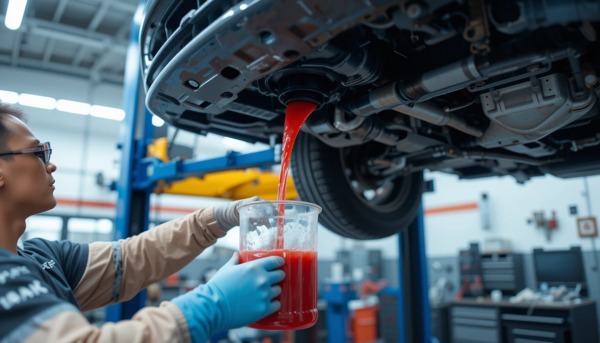
See a red or dark brown puddle where you parked? That’s transmission fluid—and that’s a problem.
Here’s how to identify it:
| Fluid Color | Meaning | Action Needed |
|---|---|---|
| Bright Red | Healthy transmission fluid | No issue—just monitor |
| Brown/Dirty | Old or burned fluid | Replace immediately |
| Reddish puddle | Active leak | Inspect for damage/leak |
Ignoring a leak can cause major internal damage. Always fix leaks early.
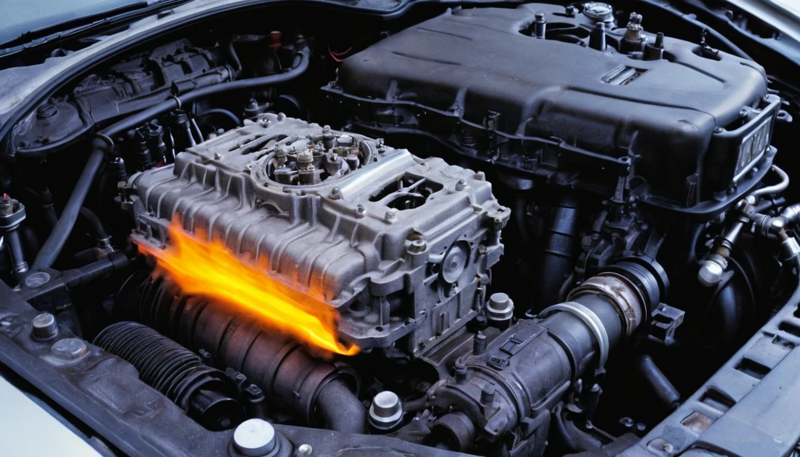
4. Burning Smell from Under the Hood 🔥
That burnt smell while driving? It’s a warning.
Burning smells often mean the transmission is overheating. Common causes include:
- Low or dirty transmission fluid
- Blocked transmission cooler
- Excessive friction inside gears
🔥 Stop driving immediately if the smell worsens. Overheating can destroy your transmission.
5. Warning Lights on the Dashboard ⚠️
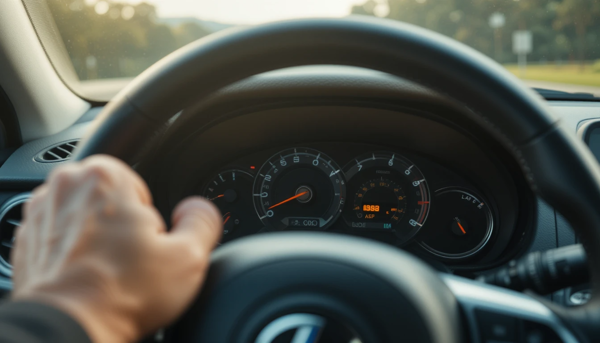
Many modern cars have sensors that trigger a “Check Engine” or “Transmission” light.
If your dashboard lights up unexpectedly:
- Don’t panic
- Check the transmission fluid level
- Scan for diagnostic codes (a mechanic can help)
These lights often come on before symptoms are felt. Treat them as early red flags.
6. Slipping Gears While Driving 🛑
When your transmission slips, it feels like the car changes gears on its own—or has trouble staying in gear.
This is extremely dangerous, especialy at high speeds.
Look out for:
- Sudden loss of power
- RPMs spiking unexpectedly
- Difficulty accelerating smoothly
💡 Gear slipping can be caused by worn clutch plates, low fluid, or internal damage.
7. Jerky or Rough Acceleration ⚡
Does your car jolt or stutter when speeding up?
This symptom is often mistaken for engine issues, but it could be the transmission struggling to shift smoothly.
| Symptom | Possible Cause | Severity Level |
|---|---|---|
| Mild shuddering | Dirty fluid or worn parts | Medium |
| Harsh jerks or lurches | Internal damage | High—needs service |
Smooth acceleration should feel… well, smooth. If it doesn’t, get it checked.
8. Fluid Smells Bad or Looks Dirty 🧪
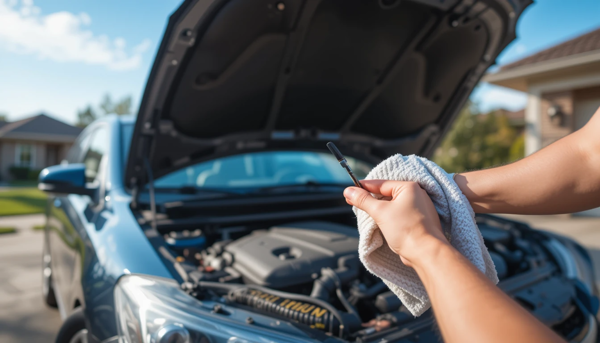
Pop the hood and check the transmission fluid dipstick.
Healthy transmission fluid:
- Is red or pink
- Smells sweet or neutral
Bad transmission fluid:
- Is dark brown or black
- Smells burnt or foul
👉 Dirty or degraded fluid can’t lubricate or cool your transmission properly.
9. Grinding or Shaking When Driving 🚘
Manual or automatic—grinding is never a good sign.
- In manual cars, it could mean the clutch is worn
- In automatic cars, it’s often internal transmission damage
Shaking at specific speeds may also mean issues with the transmission mounts or gears not engaging cleanly.
📉 If the grind gets worse over time, stop driving and call your mechanic.
10. Poor Fuel Efficiency ⛽
If you’re filling up more often but driving the same routes, your transmission might be to blame.
A failing transmission can:
- Struggle to shift into the most efficient gear
- Cause the engine to work harder
- Waste power during acceleration
📊 Here’s how poor transmission affects fuel use:
| Driving Behavior | Fuel Use Impact | Fix Possible |
|---|---|---|
| Hard gear shifts | +10–20% fuel use increase | High—repair required |
| Slipping transmission | Up to 30% more fuel burned | Severe—needs rebuild |
| Stuck in one gear | Massive mileage loss | Immediate attention |
11. Car Won’t Go into Gear at All 🚫
Whether it’s reverse, drive, or a manual gear—if it won’t budge, you’ve got a serious issue.
This usually means:
- Completely failed transmission
- Faulty shift cable or sensor
- Broken clutch (manual)
At this point, towing is safer than driving. Don’t force the gearshift—it can make things worse.
12. Transmission Feels Hot to the Touch 🌡️
Transmission housings shouldn’t be burning hot. If they are, it’s likely overheating.
Place your hand carefully near the housing (never directly on it). If you feel excess heat radiating, you might have:
- Fluid circulation issues
- Transmission cooler failure
- Blocked lines or worn components
🚨 Consistent overheating leads to total transmission failure.
13. Unusual Vibrations at Certain Speeds ⚠️
If your car vibrates at certain speeds or RPMs, the transmission could be struggling to stay in the right gear.
Unlike tire or alignment issues (which happen at all speeds), transmission vibrations are gear-related.
🎯 Pro Tip: Keep a journal of when the shaking happens. Your mechanic will thank you.
14. Gears Engaging Too Late or Not at All 🕒
You shift into Drive—but nothing happens for a moment.
Delayed engagement is often caused by:
- Low transmission fluid
- Faulty torque converter
- Failing valve body
💥 These parts are expensive to fix once they break. Early diagnosis is your best bet.
15. Your Intuition Says Something’s Off 🤷
You might not be a mechanic, but you drive your car every day. You know how it’s supposed to feel.
Trust your instincts if:
- The ride feels off
- The shifting feels strange
- The sounds are new or weird
You don’t need to be an expert to notice when something’s wrong. Just don’t ignore it.
What to Do if You Notice These Signs 🔧
Don’t panic—but don’t wait.
🛠 Here’s what you should do:
- Check the fluid – Look at color, smell, and level
- Note symptoms – When do they happen? How often?
- Visit a mechanic – Ask for a transmission diagnostic
- Ask for options – Repair, rebuild, or replace?
- Act early – Prevent major damage and higher costs
Conclusion: Catching Problems Early Saves You Thousands 💸
Transmission failure doesn’t happen overnight—it builds over time. That’s good news for you.
By paying attention to the early signs of transmission failure, you can save money, avoid breakdowns, and keep your car running smoothly.
So next time something feels a little “off,” don’t brush it aside. Your transmission might be trying to tell you something.
FAQs:
Why does my car hesitate when I shift gears?
Your car may hesitate due to low transmission fluid, worn clutches, or internal damage in the gearbox.
What does a burning smell from my car mean?
A burning smell often means your transmission is overheating—usually caused by old or low fluid.
How can I tell if my transmission fluid is bad?
Check the color and smell. If it’s dark brown and smells burnt, it needs to be changed.
Can I drive with a slipping transmission?
No, driving with a slipping transmission is unsafe and can lead to complete failure.
What happens if I ignore a transmission leak?
Ignoring a transmission leak can cause overheating, internal damage, and eventually full transmission failure.
References:
https://www.nhtsa.gov/
https://www.autoblog.com/
https://www.caranddriver.com/
Leave a Reply