Nelson
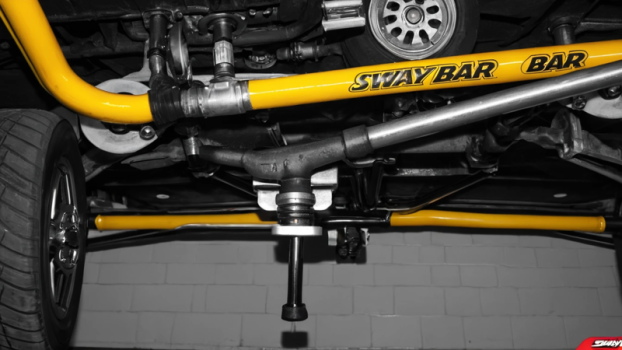
Bad sway bar symptoms explained with clear signs, causes, and fixes to keep your car stable and safe on the road.
Bad sway bar symptoms include clunking noises, loose steering, poor handling, uneven tire wear, and excessive body roll. These signs often show up during turns or bumps, signaling a worn or damaged sway bar or sway bar links.
Bad Sway Bar Symptoms: Clear Signs Your Car Needs Attention 🚗
Have you ever taken a turn and felt your car lean way more than it should? Or maybe you heard a strange clunk that made you wonder if something important just fell off? 🤔
When it comes to your suspension, a bad sway bar (or sway bar links) can cause some sneaky but dangerous problems. The good news? Once you know the signs, they’re super easy to spot.
Let’s break down every symptom, what it means, why it matters, and what you should do next.
What Is A Sway Bar And Why It Matters 🛠️
A sway bar is part of your suspension that keeps your car stable. It reduces body roll when you turn. When this part wears out or breaks, your vehicle loses stability. This makes driving feel unsafe and unpredictable.
A sway bar doesn’t fail suddenly. It wears out slowly, but the symptoms get louder over time. That’s why spotting them early saves money and stress.
Clunking Noises Over Bumps 🔊
Hearing clunking when you hit bumps? That’s one of the most common bad sway bar symptoms.
Clunking happens because the sway bar links or bushings have loosened. They move around too much, which creates noise. You’ll hear it most when driving on rough roads or uneven surfaces.
As the parts continue to wear, the noises get louder. Many drivers think it’s the shocks, but sway bar issues make distinct metal-on-metal sounds.
Excessive Body Roll During Turns 🚘➡️
If your car leans too much when turning, you might have sway bar trouble. This is a classic sign.
The sway bar controls how much your car “leans” in corners. When it fails, your car feels unbalanced. You may even feel like the car is tipping slightly.
This symptom is dangerous because it affects stability. Hard turns, quick lane changes, and roundabouts become risky.
Loose Or Wobbly Steering 🛞
A worn sway bar can make your steering feel loose. You may feel the wheel move more than usual.
Loose steering creates a floaty feeling. It reduces confidence because the vehicle doesn’t respond tightly. You end up correcting your steering more often.
This issue makes highway driving uncomfortable. It’s also a sign that sway bar links are worn and not holding the suspension as they should.
Uneven Tire Wear 👀
Bad sway bars can cause unusual tire wear patterns. This happens because the suspension isn’t stable.
Tires may wear faster on the outer edges. You may notice one side wearing more than the other. This is because the car leans too much during turns.
Uneven tire wear also reduces braking performance. It can shorten tire lifespan, costing you more in the long run.
Common Causes Of Bad Sway Bar Symptoms
| Cause | What Happens | Why It Matters |
| Worn bushings | Rubber cracks or dries | Creates clunking and loose handling |
| Loose links | Joints lose stiffness | Steering becomes unstable |
| Broken sway bar | Metal snaps | Severe body roll and dangerous driving |
| Road salt & rust | Corrosion builds | Weakens sway bar and mounting points |
Rattling Sounds When Driving Fast 🏎️
If you hear rattling at higher speeds, the sway bar may be loose. This sound usually changes depending on road conditions.
Rattling happens because the components vibrate. When the car moves faster, the vibrations increase. This makes the noise more noticeable.
Sometimes the rattling disappears on smooth roads. That’s a clue the noise is coming from the suspension, not the engine.
Poor Handling On Highways 🛣️
Does your car feel unstable on long straight roads? That’s another sway bar red flag.
A healthy suspension feels firm and controlled. But a bad sway bar makes the car drift slightly. You constantly adjust the wheel to keep it straight.
This issue tires drivers out on long trips. It also affects fuel efficiency because the car doesn’t track properly.
Squeaking Or Creaking Sounds 🐭
Squeaking often happens when sway bar bushings dry out. These rubber parts crack over time.
The sounds may appear when turning or going over bumps. They usually start soft but become louder with time.
A little grease won’t fix a damaged bushing. Replacement is the long-term solution.
Vehicle Pulls To One Side ↔️
A failing sway bar can make your vehicle pull slightly to one side. This happens because the suspension becomes unbalanced.
You’ll notice the pull most during turns or lane changes. It may feel like the car is fighting you.
This symptom can also mean alignment issues. But when combined with clunking, the sway bar is likely the cause.
Difficulty Controlling The Car In Windy Conditions 🌬️
Bad sway bar symptoms get worse in crosswinds. Your car may sway or drift on windy days.
A healthy sway bar keeps the vehicle planted. Without it, the wind pushes the car around more easily. It feels like the car is “dancing” on the road.
This reduces confidence and increases the chance of overcorrecting the wheel.
Sway Bar Symptoms vs Other Suspension Problems
| Symptom | Likely Sway Bar | Likely Shocks/Struts |
| Clunking on bumps | Yes | Sometimes |
| Excessive body roll | Yes | No |
| Bouncy ride | No | Yes |
| Loose steering | Yes | No |
| Nose-diving braking | No | Yes |
Shaky Feeling When Turning 🌀
If the car shakes during turns, your sway bar links may be worn. This shaking is subtle but noticeable.
The movement happens because the suspension can’t stay firm. You feel vibrations in the wheel or body of the vehicle. It’s more common at medium speeds.
Shaking also creates uneven weight transfer. This can wear the tires faster.
Low-Speed Clunks While Parking 🅿️
Hearing noise while parking or turning slowly? That’s a major clue.
Slow-speed clunks point to loose sway bar bolts or worn bushings. Parking lots, speed bumps, and tight turns make the sound easy to hear.
The noise gets worse when the car is loaded with passengers or cargo.
Poor Cornering Grip 🧲
A bad sway bar reduces traction. You may feel the car slide or lose grip in corners.
This is dangerous during wet weather. The lack of stability makes the car unpredictable. Even wide turns may feel uncomfortable.
Good cornering grip comes from balanced suspension. So when the sway bar fails, the balance disappears.
Longer Braking Distances 🛑
It surprises many drivers, but a bad sway bar affects braking. When the car leans too much, stopping power spreads unevenly.
The wheels on the “light” side lose grip. This forces the brakes to work harder. You may feel slight pulling during hard stops.
This is a warning sign to fix the suspension fast.
Cost To Fix Sway Bar Issues
| Part | Average Cost | Labor |
| Sway bar links | $60–$150 | $50–$100 |
| Bushings | $20–$50 | $40–$80 |
| Full sway bar replacement | $120–$300 | $100–$200 |
How To Diagnose Bad Sway Bar Symptoms 🔍
You can spot many sway bar issues at home.
Start by listening for clunks or rattles. Then check for uneven tire wear. You can also push down on the car and watch how it moves.
A mechanic can confirm the problem with a lift. They check the sway bar links, bolts, bushings, and bar condition.
Should You Drive With Bad Sway Bar Symptoms? ❌
Driving with a bad sway bar is risky. It reduces stability and increases the chance of losing control.
Short trips at low speeds may feel fine. But highway driving becomes dangerous. Turning at speed is even worse.
Fixing the issue early protects your suspension and your wallet.
How To Prevent Sway Bar Problems ⭐
Prevention is simple.
Inspect your suspension every oil change. Check links and bushings for cracks. Avoid potholes when possible. Clean off road salt if you live in cold states.
Regular maintenance keeps the sway bar healthy and your car safer.
Conclusion
Bad sway bar symptoms show up slowly but become more noticeable over time. Clunking noises, body roll, loose steering, uneven tire wear, and poor handling are the most common signs. Spotting them early helps you stay safe and avoid expensive repairs. Keeping your suspension healthy ensures a smoother, more stable ride every day.
FAQs
What are the first signs of a bad sway bar?
The first signs are clunking noises and loose handling. You may feel the car lean more in turns. These symptoms get worse over time.
Can a bad sway bar affect the steering wheel?
Yes, it can make the wheel feel loose. You may need to correct your steering more often. This makes highway driving harder.
Is it safe to drive with sway bar problems?
It’s not recommended. The car becomes unstable during turns. Long trips and high speeds increase the risk.
Do sway bar links cause clunking noises?
Absolutely. Worn links create metal-on-metal sounds. You hear them most on bumps or rough roads.
How much does sway bar repair cost?
Repairs range from $60 to $300 depending on the part. Labor varies by location. Replacing links is usually the cheapest fix.