Nelson
Pros and cons of EVs explained simply. Discover benefits, drawbacks, costs, and whether electric cars are right for you.
Electric vehicles (EVs) offer cleaner driving, lower running costs, and quiet performance. However, they also come with challenges like charging time, higher upfront prices, and limited infrastructure in some areas. Understanding both sides helps you decide if switching to an EV fits your lifestyle and budget.
Pros And Cons Of EVs ⚡🚗
Ever wondered if switching to an electric vehicle is really worth it? Or is it just hype? Let’s break it down in a simple, honest way so you can decide what works best for you.
Electric vehicles are changing how we drive. They promise cleaner air and lower fuel costs. But they also come with a few trade-offs. Some are obvious, while others might surprise you.
What Are Electric Vehicles (EVs)? 🔋
Electric vehicles run on electricity instead of gasoline. They use batteries to power an electric motor. That means no engine noise and no fuel tank.
There are different types of EVs. Some are fully electric, while others are hybrids. Fully electric cars rely only on batteries. Hybrids use both fuel and electricity.
EVs are becoming popular worldwide. Governments are pushing for cleaner transport. People are also looking for ways to save money on fuel.
Why Are EVs Becoming Popular? 📈
The rise of EVs is not random. Several strong reasons are driving this shift. People want eco-friendly options and lower long-term costs.
Fuel prices keep rising. EVs offer a cheaper alternative for daily driving. Electricity is often more affordable than petrol or diesel.
Also, technology is improving fast. Batteries last longer and charge faster now. That makes EVs more practical than ever.
Major Advantages Of EVs 🌱
Electric vehicles offer many benefits. These advantages make them appealing to modern drivers.
- Lower fuel costs
- Reduced emissions
- Quiet operation
- Less maintenance
- Government incentives
These benefits can make a big difference in your daily life. But each advantage depends on how you use your car.
Lower Running Costs 💰
One of the biggest advantages of EVs is cost savings. Charging an EV is usually cheaper than filling a fuel tank. This makes a big difference over time.
Electric motors are also more efficient. They waste less energy compared to fuel engines. That means you get more distance for less money.
If you drive daily, the savings add up fast. Many EV owners notice a drop in monthly expenses.
Environmental Benefits 🌍
EVs are better for the environment. They produce zero tailpipe emissions. This helps reduce air pollution in cities.
Less pollution means cleaner air. That’s good for your health and the planet. EVs also reduce greenhouse gases.
Even though electricity production matters, EVs are still cleaner overall. As renewable energy grows, EVs become even greener.
Quiet And Smooth Driving Experience 🤫
Driving an EV feels different. There is almost no noise from the motor. This makes the ride peaceful and relaxing.
Acceleration is also smoother. EVs deliver power instantly. That means quicker response when you press the pedal.
Many drivers love this experience. It feels modern and effortless compared to traditional cars.
Lower Maintenance Needs 🔧
EVs have fewer moving parts. There is no engine oil, no spark plugs, and fewer components that can fail.
This means fewer visits to the mechanic. Maintenance costs are generally lower over time.
Here’s a quick comparison:
| Feature | EV | Gas Car |
| Oil Changes | Not Needed | Required |
| Engine Parts | Fewer | Many |
| Maintenance Cost | Lower | Higher |
Less maintenance means less hassle. That’s a big win for busy people.
Government Incentives And Tax Benefits 🎉
Many governments support EV adoption. They offer tax benefits, subsidies, and rebates.
These incentives reduce the initial cost. In some places, EV owners also get perks like free parking or toll discounts.
This makes EVs more affordable than they seem at first glance.
Convenient Home Charging 🏡
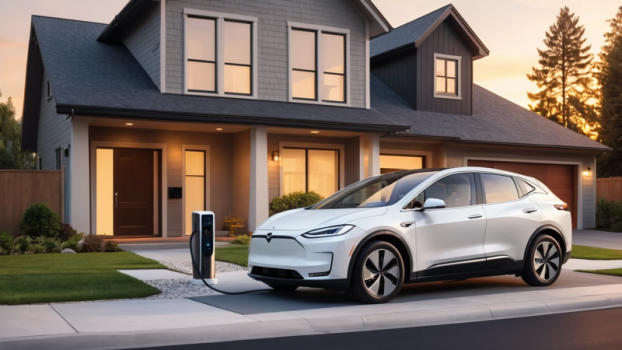
Imagine charging your car at home overnight. No more waiting at fuel stations. EVs make this possible.
You just plug in your car and let it charge. By morning, it’s ready to go.
This convenience is a huge advantage. It saves time and effort in daily life.
Disadvantages Of EVs ⚠️
EVs are not perfect. They have some drawbacks that you should consider before buying.
- High upfront cost
- Limited charging stations
- Longer charging time
- Battery concerns
- Range anxiety
Understanding these issues helps you make a smarter decision.
Higher Upfront Cost 💸
EVs usually cost more than traditional cars. The battery is the most expensive part.
Even though prices are dropping, EVs still require a bigger initial investment.
However, lower running costs can balance this over time. It depends on how long you keep the car.
Charging Infrastructure Challenges 🔌
Charging stations are not everywhere yet. In some areas, finding a charger can be difficult.
This is especially true in rural regions. Urban areas have better infrastructure.
Here’s a comparison:
| Factor | EV Charging | Fuel Stations |
| Availability | Limited | Widely Available |
| Time Required | Longer | Quick |
| Accessibility | Growing | Established |
This can affect long-distance travel plans.
Longer Charging Time ⏳
Charging an EV takes longer than filling fuel. Fast chargers help, but they are not always available.
A full charge can take hours with a home charger. Fast charging reduces time but still takes longer than refueling.
This can be inconvenient during trips. Planning becomes important.
Limited Driving Range 🚗
EV range has improved, but it still has limits. Some models cannot travel very long distances on one charge.
This leads to what people call range anxiety. Drivers worry about running out of charge.
Modern EVs offer better range, but it’s still a factor to consider.
Battery Life And Replacement 🔋
EV batteries degrade over time. This reduces driving range gradually.
Replacing a battery can be expensive. However, most batteries last many years.
Manufacturers also offer warranties. That provides some peace of mind.
Performance Comparison With Gas Cars ⚡
EVs and gas cars perform differently. EVs are faster in acceleration. Gas cars are better for long trips.
Here’s a quick breakdown:
| Feature | EV | Gas Car |
| Acceleration | Instant | Gradual |
| Noise | Silent | Loud |
| Long Trips | Limited | Better |
Both have strengths. It depends on your driving needs.
Are EVs Suitable For Daily Use? 🏙️
For city driving, EVs are excellent. Short trips and daily commutes suit them perfectly.
Home charging makes daily use easy. You start each day with a full battery.
If your routine is predictable, EVs work very well.
EVs For Long-Distance Travel 🚧
Long trips can be challenging with EVs. Charging stops need planning.
However, fast-charging networks are growing. This is improving travel convenience.
If you travel often, check charging availability first. That makes a big difference.
Future Of Electric Vehicles 🚀
EVs are the future of transportation. Technology is improving rapidly.
Batteries are getting better and cheaper. Charging networks are expanding worldwide.
Governments are also pushing for EV adoption. This will make EVs more common in the coming years.
Key Factors To Consider Before Buying 🧠
Before choosing an EV, think about your needs:
- Daily driving distance
- Access to charging
- Budget
- Travel habits
- Maintenance expectations
These factors help you decide if an EV is right for you.
Conclusion 🎯
Electric vehicles offer clear benefits like lower running costs, eco-friendliness, and smooth driving. However, they also come with challenges such as higher upfront costs and charging limitations.
The best choice depends on your lifestyle. If you mainly drive in the city, EVs can be a great option. For long-distance travelers, careful planning is still needed.
FAQs ❓
Are EVs cheaper to run daily?
Yes, EVs cost less to run. Electricity is cheaper than fuel in most areas. Maintenance is also lower due to fewer parts.
How long does EV battery last?
EV batteries usually last 8–15 years. Most manufacturers offer long warranties. Performance may reduce slowly over time.
Is charging EV at home safe?
Yes, home charging is safe with proper equipment. Use certified chargers for best results. It is also very convenient.
Do EVs work well in hot climates?
Yes, EVs can handle heat. However, extreme temperatures may affect battery efficiency. Cooling systems help manage this.
Can EVs replace petrol cars fully?
EVs can replace petrol cars for many users. However, infrastructure and range still limit some cases. Improvements are happening quickly.