

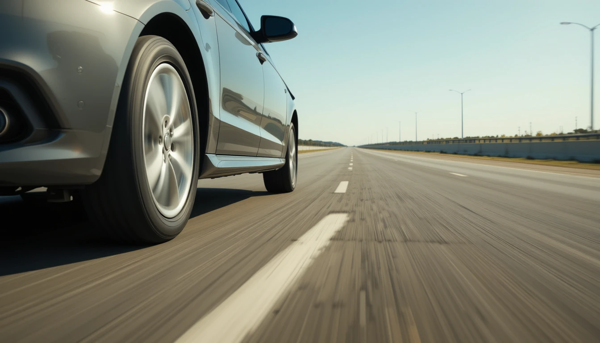
How to fix car pulling to one side? Learn the exact steps to diagnose and correct it with these proven, easy-to-follow tips for safe driving.
How to Fix Car Pulling to One Side 🚗
Does your car drift to one side when you’re driving straight? It’s not just annoying—it could be dangerous. Imagine trying to stay in your lane while your vehicle has a mind of its own! Whether it’s a gentle tug or a hard pull, a car that veers to the left or right isn’t something you should ignore.
In this guide, you’ll learn exactly how to diagnose and fix a car pulling to one side. No fluff—just the straight facts in a friendly, easy-to-understand way. Let’s get rolling! 🚙
What Does “Pulling to One Side” Really Mean? 🛣️
Pulling to one side means your car doesn’t track straight. Even when your steering wheel is centered, your car leans left or right. This could be barely noticeable or extremely obvious. It’s usually most noticeable on flat roads with no slope.
Is It Dangerous to Drive a Car That Pulls? ⚠️
Yes, it can be. A car that pulls:
- Increases tire wear 📉
- Reduces control during emergencies
- Makes highway driving more stressful
- Signals a deeper issue under the hood or chassis
Fixing it as soon as possible is key for your safety and wallet.
Common Causes of Car Pulling 🔧
Here are some of the most common culprits:
- Uneven tire pressure
- Wheel alignment issues
- Brake caliper problems
- Suspension wear or damage
- Uneven tire wear
- Road crown or slope
We’ll break down how to test and fix each one.
Step 1: Check Tire Pressure First 🧰
Uneven pressure is one of the simplest (and cheapest) issues to fix.
What to do:
- Get a reliable tire pressure gauge.
- Check the PSI of each tire.
- Compare it to the recommended pressure (check your driver door or manual).
- Inflate or deflate as needed.
Even a 3–5 PSI difference can cause drifting!
Table: Recommended PSI by Car Type
| Vehicle Type | Front Tire PSI | Rear Tire PSI |
|---|---|---|
| Sedan | 32–35 | 30–34 |
| SUV/Crossover | 35–38 | 33–36 |
| Pickup Truck | 40–45 | 38–42 |
Step 2: Inspect Wheel Alignment 🔩
Alignment is a huge factor in car pulling.
How to tell if alignment is off:
- Steering wheel off-center when driving straight
- Car drifts even after correcting tire pressure
- Tires show uneven wear on one side
If you suspect it’s alignment:
👉 Book a professional alignment service. They’ll adjust the camber, caster, and toe angles.
Step 3: Look for Uneven Tire Wear 👀
Tires don’t always wear out evenly. This is true if you haven’t rotated them in a while.
What to check:
- Bald spots
- Edges worn more than centers
- Different wear on opposite sides
Fix:
- Rotate tires every 5,000–7,000 miles
- Replace overly worn tires
- Keep tires balanced
Table: Tire Wear Patterns and What They Mean
| Wear Pattern | Possible Cause | Suggested Action |
| Outer edge wear | Under-inflation | Inflate to correct PSI |
| Center wear | Over-inflation | Reduce PSI |
| One-sided edge wear | Misalignment | Get wheel alignment |
| Cupping or scalloping | Suspension issues | Inspect shocks/struts |
Step 4: Check the Brakes 🛑
A sticking brake caliper can cause pulling. When one side grabs harder, the car veers.
Symptoms:
- Burning smell after driving
- Pulling when braking
- Excessive brake dust on one wheel
You’ll likely need a mechanic to:
- Clean or replace calipers
- Flush brake fluid
- Replace worn brake pads
Step 5: Evaluate the Suspension System 🛠️
If everything else checks out, your suspension might be to blame.
Look for:
- Car sitting unevenly
- Clunking noises over bumps
- Uneven bounce test results
Suspension repairs aren’t DIY-friendly unless you’re experienced, so get a shop to diagnose it.
Step 6: Inspect for Road Crown 🌄
Sometimes it’s not your car—it’s the road. Roads often slope slightly for drainage. Your car may drift subtly, even if nothing is wrong.
Try driving on a perfectly flat parking lot:
- If the car pulls, it’s your car.
- If not, it might just be the road.
Step 7: Look Into Power Steering Issues 🌀
Electric or hydraulic power steering problems can also cause pulling.
What to check:
- Difficulty turning one direction
- Whining noise when steering
- Low steering fluid (for hydraulic systems)
Fixes might include:
- Topping off steering fluid
- Repairing power steering pump
- Replacing electric steering motor
Step 8: Examine Tire Tread Depth 📏
Uneven tread depth can mess with traction, causing your vehicle to drift.
Use a penny test:
- Insert a penny head-first into the tread.
- If you can see Lincoln’s whole head, it’s too shallow!
Solution: Replace the worn-out tires ASAP.
Table: Tread Depth Safety Guide
| Tread Depth (in 32nds) | Condition | Recommendation |
| 6/32″ or more | Great | No action needed |
| 4/32″–5/32″ | Fair | Monitor and rotate tires |
| 2/32″ or less | Dangerous | Replace immediately |
Step 9: Have Tires Rebalanced 🔄
An unbalanced tire can cause uneven ride height or vibrations that nudge the car.
Signs of imbalance:
- Steering wheel vibration
- Seat vibration at highway speeds
- Pulling that changes with speed
Ask for a tire rebalancing service. It’s quick and affordable.
Step 10: Check for Damaged Rims 🛞
Hitting a curb or pothole can bend your wheel rim.
This can lead to:
- Air leaks
- Uneven rotation
- Pulling due to instability
If the rim is bent or cracked, replacement is the only fix.
Step 11: Test Drive After Each Fix 🧪
Always take your car for a spin after each fix. This helps:
- See if the problem is resolved
- Rule out multiple causes
- Monitor how your car behaves under real conditions
Take note of how sharply it pulls and under what conditions.
Step 12: Know When to Seek Professional Help 🧑🔧
If you’ve gone through all the steps and it’s not fixed, call the pros.
Ask for a full vehicle inspection. Some issues—like a bent frame or bad bushings—need expert tools to find.
Final Thoughts: Keep Your Car in Line 😎
A car pulling to one side isn’t just an inconvenience—it’s a warning sign. By catching it early, you’ll save money, avoid further damage, and stay safe.
Start with simple checks like tire pressure and alignment. If things are not right, move down the list. When in doubt, don’t hesitate to get help from a trusted mechanic.
FAQs
Why does my car pull to the right when driving?
Your car might pull to the right due to uneven tire pressure, misaligned wheels, or worn suspension parts.
What causes a car to veer left after braking?
A stuck brake caliper or uneven brake wear often causes your car to pull left when you brake.
Can bad tires cause pulling to one side?
Yes, tires with uneven wear or different tread depth can cause a noticeable pull while driving.
Is wheel alignment expensive to fix?
Most alignments cost between $75–$120 depending on your car type and location.
How often should I check tire pressure to avoid pulling?
Check tire pressure at least once a month or before any long trip for best safety and performance.

Leave a Reply