

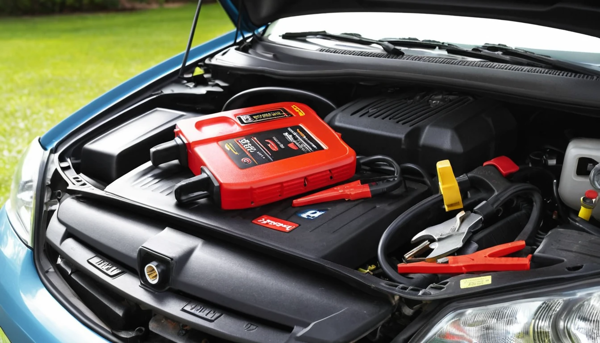
How to jumpstart a car fast and safely! Learn beginner-friendly ways to jumpstart with cables, a battery pack, or by pushing. Full step-by-step guide.⚡
How to Jumpstart a Car (The Ultimate DIY Guide 🚗)
Have you ever walked out to your car, turned the key, and heard nothing but a dull click? 😩 It’s really frustrating, right? And it’s even worse when you’re already running late. So, what do you do when your car battery dies and you’re all alone?
Here’s the good news: You don’t need to be a mechanic to jumpstart a car. With the right steps and a little confidence, anyone can do it—yes, even you.
Let’s walk through everything you need to know about how to jumpstart a car using jumper cables, a battery pack, or even just by pushing. Buckle up—this guide’s got you covered!
⚡ Why Your Car Won’t Start (Common Battery Issues)
Dead batteries are the number one reason cars won’t start. But why do they die in the first place?
Common causes include:
- Leaving your headlights or interior lights on overnight
- A weak battery that’s reached the end of its life
- Extreme cold or heat draining your battery
- Faulty alternator or electrical issues
If your engine won’t turn over and you hear a rapid clicking sound, that’s a classic sign of a drained battery.
Pro tip: If your car has a sluggish start, your battery might already be on its way out.
🚧 Safety First! Precautions Before Jumpstarting
Before connecting anything, keep yourself safe. Car batteries can spark, shock, or even explode if handled carelessly.
Follow these safety steps:
- Make sure both vehicles are turned off
- Don’t let the metal ends of the cables touch
- Keep flames and smoking materials far away
- Wear gloves and eye protection if possible
- Read the owner’s manual for any model-specific warnings
Always double-check connections before turning anything on. Safety first, always.
🛋️ What You’ll Need to Jumpstart a Car
Whether you’re using cables or a battery pack, here are the essentials:
- A pair of jumper cables (long and heavy-duty)
- A second vehicle with a working battery or a portable jump starter
- Gloves and a flashlight (optional but helpful)
Essentials Checklist:
| Tool | Purpose |
|---|---|
| Jumper Cables | Connects the batteries |
| Donor Car or Jump Pack | Provides power |
| Owner’s Manual | Safety info & fuse box tips |
| Safety Gear | Prevents injury |
Stay prepared by keeping these items in your trunk!
🛠️ How to Jumpstart a Car with Jumper Cables (Step-by-Step)
Here’s the go-to method most people use. Make sure both cars are turned off first.
- Park the donor car close enough so the cables reach both batteries.
- Attach the red (positive) cable to the dead battery’s positive terminal.
- Connect the other end of the red cable to the donor car’s positive terminal.
- Attach the black (negative) cable to the donor car’s negative terminal.
- Connect the other black clamp to an unpainted metal surface on the dead car (not the battery).
- Start the donor car and let it run for 3–5 minutes.
- Try starting the dead car.
- Once it starts, remove the cables in reverse order.
Tip: Let your car run for at least 15 minutes after jumping to recharge the battery.
🚚🛋️ How to Jumpstart a Car with Another Car
This method is just a variation of the jumper cable technique, but here we focus on vehicle placement and timing.
- Park both cars nose to nose or side by side, as long as the cables reach
- Turn off both ignitions before attaching cables
- Once the dead car starts, let it idle for several minutes before disconnecting
This method is quick, reliable, and perfect when someone nearby offers help!
🫠 How to Jumpstart a Car by Yourself
No friend nearby? Don’t worry, you’re not stuck. There are solo options too:
- Use a jump starter battery pack (we’ll explain next)
- If you drive a manual transmission, you can try the push-start method
Being prepared with a jump starter is the best bet if you often drive alone.
🔋 How to Jumpstart a Car Without Another Car
No one around? Then a battery pack is your best friend.
Just follow these steps:
- Connect red clamp to the positive terminal
- Connect black clamp to a metal ground
- Turn on the battery pack
- Try starting your vehicle
- Disconnect clamps once the car starts
Portable vs Cable Jumpstart Comparison:
| Feature | Jumper Cables | Battery Pack |
| Requires Another Car | Yes | No |
| Portability | Low | High |
| Ease of Use | Medium | Easy |
| Cost | Low | Medium to High |
Battery packs are great for emergencies and require no outside help.
🔋 How to Jumpstart a Car with a Battery Pack
Let’s dive deeper into battery packs. These portable devices have become very popular.
- They work even if you’re alone in a parking lot
- Most include built-in flashlights and USB ports
- Some are small enough to fit in your glove box
Make sure your pack is charged regularly so it’s ready when you need it!
🚶♂️ How to Jumpstart a Car by Pushing (Manual Cars Only)
Got a stick shift? You might be able to push-start your car. Here’s how:
- Turn the key to “on”
- Put the car in second gear
- Press and hold the clutch
- Have someone push the car (or let it roll downhill)
- Release the clutch quickly while giving gas
It may take a couple of tries, but if done right, the engine should roar to life. 🚗💨
⏱️ How Long Does It Take to Jumpstart a Car?
Usually, it takes 5 to 10 minutes from start to ignition.
Factors that affect timing:
- Battery condition
- Cable quality
- Outside temperature
- Whether the car started on first try
After jumping, let your engine run for at least 15–20 minutes to recharge the battery.
✅ What to Do After Jumpstarting Your Car
Congrats, your car is running again! 🎉 But you’re not done yet.
Here’s what to do next:
- Keep it running for 15–30 minutes or take a short drive
- Turn off all electronics (AC, radio) to reduce load
- Monitor your dashboard for warning lights
- Schedule a battery test at your local auto shop
Don’t shut it off immediately after jumping unless necessary.
⚠️ Can You Damage a Car by Jumpstarting It Wrong?
Yes, absolutely.
Mistakes like reverse polarity or poor connections can cause:
- Battery explosions
- Fried fuses or circuits
- Damage to sensitive onboard electronics
Always follow correct jumpstarting procedures, and don’t rush.
💡 Tips to Avoid Needing a Jumpstart Again
Let’s keep you from getting stuck again. Here are a few smart tips:
- Turn off lights when exiting the vehicle
- Test your battery twice a year
- Drive your car often, specially in winter
- Keep terminals clean and corrosion-free
Staying proactive keeps your car (and day) running smoothly.
⏳ When to Replace Your Car Battery Instead
If your battery keeps dying, it may be time for a replacement. Look for signs like:
- Swollen battery case
- Foul “rotten egg” smell
- Needing frequent jumpstarts
- Battery is 3+ years old
Quick Battery Health Checklist:
| Sign | What It Means |
| Repeated Jumpstarts | Weak or dying battery |
| Dim Lights | Low charge level |
| Check Engine Light | Possible battery issue |
If in doubt, have it tested at a nearby auto store. Most offer free battery checks.
📆 Final Thoughts: Be Ready for Next Time
Nobody likes a dead battery, but now you’re ready. 🙌
We talked about how to jumpstart with cables, a battery pack, or by pushing. We also covered what to do next and how to avoid it.
So, whether helping a friend or stuck in a parking lot, you now know how to jumpstart a car safely and confidently. Keep jumper cables or a portable jump starter in your trunk. You’ll never be caught off guard again.
🤔 FAQs
How do I use jumper cables safely?
Attach red to positive, black to metal ground. Avoid sparks. Follow exact steps.
Can I jumpstart my car without help?
Yes, use a portable jump starter. It works without another car.
How long should I run the car after jumping?
At least 15–30 minutes or take a 10-mile drive to recharge.
Can I jumpstart a car with no battery?
No, you need at least a weak battery to complete the circuit.
Does pushing a car to start always work?
Only with manual transmissions and if your battery isn’t totally dead.
Leave a Reply