Nelson
What does a slipping transmission feel like? Discover clear signs, causes, and how to fix it fast in this easy-to-follow guide.
What Does a Slipping Transmission Feel Like? 🤔
Ever felt your car jerk, hesitate, or rev weirdly when driving?
That could be your transmission slipping—and ignoring it could leave you stranded. This issue sneaks up on many drivers, making it hard to know what signs to watch for. So, let’s break it down clearly—no jargon, just real answers in plain English.
A slipping transmission means your car isn’t smoothly shifting gears like it’s supposed to. It may feel like your vehicle is struggling to move forward, even though the engine is working harder than usual. If you’re pressing the gas and your car hesitates, revs high, or even jerks—yep, that’s it. Let’s dive deeper into what it really feels like, what causes it, and what you should do next.
Sudden Hesitation When Accelerating 🚗💨
One of the most common and obvious signs is a delay when you hit the gas. You’ll notice your engine revs up, but your car doesn’t speed up as expected. It can feel like a tug-of-war between the engine and the wheels.
You may experience:
- Pressing the gas pedal with no immediate response
- A jerky or laggy movement
- Loud engine sound without matching speed
It’s frustrating and dangerous—especialy when merging onto highways.
High RPMs But Low Speed 📉
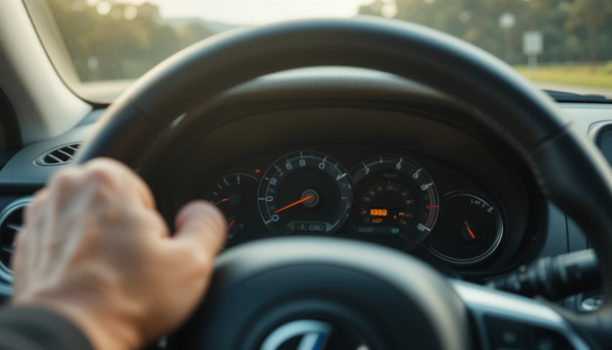
Your tachometer (that little dial with RPM numbers) might go wild, showing high revs even when you’re cruising slowly. That’s another red flag.
🛑 The engine is working hard, but the power isn’t reaching the wheels.
This is typically what happens when the transmission fails to “grip” the gears correctly.
Burning Smell From Under The Hood 🔥👃
Smell something hot or burnt? That’s not normal. A slipping transmission often overheats and burns the transmission fluid. This gives off a distinct, acrid smell, almost like burnt toast or chemicals.
“I thought I left the parking brake on—that’s how bad it smelled.”
If you’re catching whiffs of this while driving, it’s time to pull over and check.
Unusual Noises While Driving 🎧🚘
If your transmission is slipping, it might make strange sounds, especialy when shifting gears. These noises aren’t your usual road hum.
Common slipping transmission noises include:
- Grinding
- Whining
- Clunking
- Buzzing
It’s like your car’s crying out for help. Don’t ignore it.
Gear Shifts Feel Off 🕹️
When gears slip, your car might unexpectedly change gears or have trouble shifting altogether. You’ll notice a lack of smoothness—sometimes even a sudden jolt.
Here’s how it feels:
- The car shifts too early or too late
- Random gear drops
- Loud clunk or jerk when changing gears
🧠 Think of it like missing a step on stairs—uncomfortable and risky.
Trouble Reversing 🅿️
Does your car struggle when shifting into reverse? This could be a sign of slipping in lower gears, especialy reverse. You may press the gas, but the car either hesitates or doesn’t move at all.
It’s a warning sign, especialy in automatic transmissions that rely on fluid pressure and internal gear engagement.
Check Engine Light Is On ⚠️
That annoying little light might mean your transmission is slipping. Even if everything seems fine, if the Check Engine light turns on, take it seriously.
🔍 A diagnostic scan can show the exact problem in your vehicle’s computer.
Table: Common Signs vs Other Problems
| Symptom | Likely Slipping Transmission | Other Possible Cause |
|---|---|---|
| Hesitation when accelerating | ✅ Yes | ❌ Fuel system issue |
| High RPMs, slow movement | ✅ Yes | ❌ Engine misfire |
| Burning smell | ✅ Yes | ❌ Overheated brakes |
| Jerky gear changes | ✅ Yes | ❌ Worn motor mounts |
| Reverse gear not working | ✅ Yes | ❌ Faulty shift linkage |
Causes Behind Transmission Slipping 🛠️
So what’s causing the slipping? Let’s look at the usual suspects.
1. Low or Dirty Transmission Fluid
Old, burnt, or low fluid can’t provide the needed pressure for gear engagement.
2. Worn Clutch (Manual or Auto)
The clutch plate wears out over time, preventing full contact between gears.
3. Faulty Solenoids
Solenoids help control fluid flow in automatics. If they’re malfunctioning, your gears won’t shift right.
4. Worn Transmission Bands
These metal bands link the gears together. When worn, they can’t hold the gears properly.
5. Broken Torque Converter
This component transfers engine power to the transmission. When it fails, slipping occurs.
Table: Causes & Their Fixes
| Cause | Description | Solution |
|---|---|---|
| Low Fluid | Fluid is low or degraded | Refill or flush transmission fluid |
| Worn Clutch | Friction plate damaged | Replace clutch assembly |
| Faulty Solenoids | Valve control issues | Replace solenoids |
| Transmission Bands Worn | Can’t hold gears properly | Replace or adjust bands |
| Failing Torque Converter | Power isn’t transferring | Rebuild or replace converter |
Is It Safe To Drive With A Slipping Transmission? 🛑
No. Driving with a slipping transmission is risky. It can:
- Overheat the engine
- Destroy internal transmission components
- Lead to total failure (which costs a fortune)
🚗 Best move? Get it checked out ASAP by a trusted mechanic.
DIY Tips: Can You Fix It Yourself? 🧰
Sometimes, yes—but it depends on the cause. Here are a few quick things you can try at home:
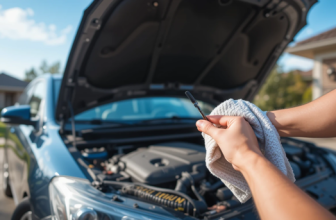
- Check transmission fluid level
- Inspect for leaks underneath
- Add fluid if it’s low (use correct type!)
- Flush and replace old fluid
- Tighten loose connections
⚠️ But if it’s anything beyond fluid or minor adjustments, take it to a pro.
Table: DIY vs Professional Help
| Task | DIY Friendly | Mechanic Required |
|---|---|---|
| Checking fluid level | ✅ Yes | ❌ No |
| Replacing fluid | ✅ Yes | ❌ No |
| Replacing clutch | ❌ No | ✅ Yes |
| Fixing solenoids | ❌ No | ✅ Yes |
| Diagnosing torque converter | ❌ No | ✅ Yes |
Repair Costs For Slipping Transmissions 💸
Transmission repairs can be expensive—but catching it early saves money.
Average repair costs:
- Fluid replacement: $80–$250
- Solenoid repair: $200–$500
- Clutch replacement: $700–$1,200
- Torque converter: $600–$1,000
- Full rebuild: $1,500–$3,500
🧾 Tip: Always get a second opinion before committing to a full replacement.
How To Prevent Transmission Slipping 🛡️
An ounce of prevention = thousands saved.
Maintenance tips:
- Change transmission fluid every 30,000–60,000 miles
- Don’t ride the clutch (manuals)
- Avoid towing too much weight
- Let the car warm up before driving in winter
- Get regular checkups
🚗 Take care of your transmission like you do your engine—it’s just as vital!
Final Thoughts 💬
If you’re wondering “what does a slipping transmission feel like?”—now you know it’s more than just a weird noise or hesitation. It’s your car’s way of waving a red flag.
From hesitation, strange smells, and gear issues to burning fluid and warning lights, the signs are there. Don’t ignore them. Catch it early, take action, and keep your ride running smoothly. 🚙💨
FAQs
Why does my car hesitate when I press the gas?
Your transmission might be slipping. This causes a delay when you press the pedal.
What are signs my transmission is going bad?
Look for high RPMs, slow acceleration, and jerky shifting. Also, watch for burning smells.
Can low fluid cause transmission slipping?
Yes, low or dirty fluid is a big reason for slipping gears.
Is it dangerous to drive with a slipping transmission?
Yes, it can fail completely. This might leave you stranded.
How much does it cost to fix a slipping transmission?
Costs vary. Minor fixes can be $200. But a full rebuild can cost $3,500+.
References
https://www.familyhandyman.com
https://www.cars.com
https://www.autoblog.com