

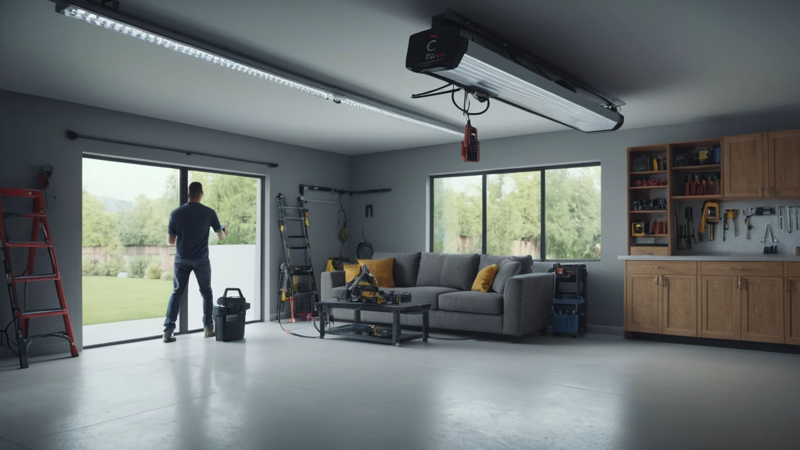
Installing a garage door opener is easier than you think. Follow this simple step-by-step guide to install it safely and smoothly.
Installing a garage door opener is a straightforward DIY project when you follow the right steps. With basic tools and a little patience, homeowners can install a garage door opener safely in a few hours. Proper setup improves convenience, safety, and daily garage access.
Installing A Garage Door Opener: Complete DIY Guide
Have you ever pressed a garage door remote and thought, “How does that door lift so smoothly?” 🤔
The truth is, installing a garage door opener is not as complicated as it looks. Many homeowners complete the job themselves in a few hours using basic tools and a clear plan.
A properly installed opener adds convenience, security, and modern automation to your garage. Instead of lifting a heavy door, you simply press a button and let the motor do the work.
This guide walks you through everything you need to know about installing a garage door opener, step by step.
Understanding How A Garage Door Opener Works ⚙️
Before installation begins, it helps to understand how the system actually works. A garage door opener uses a motor that moves a trolley along a rail. The trolley pulls the door upward using a chain, belt, or screw drive system.
When you press the remote, the motor activates and lifts the door smoothly along the track. Safety sensors stop the door if something blocks the path. This prevents accidents and protects children, pets, and vehicles.
Most modern openers also include smart features, like smartphone control and automatic lights. Knowing these parts makes installation easier and less confusing.
Tools And Materials Needed For Installation 🧰
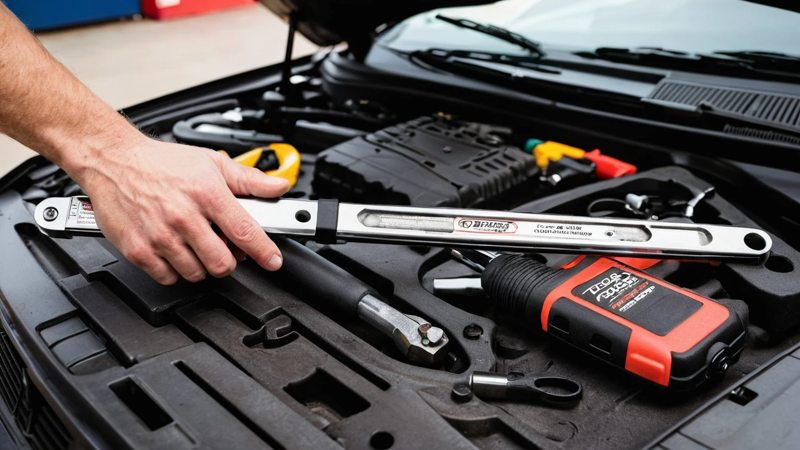
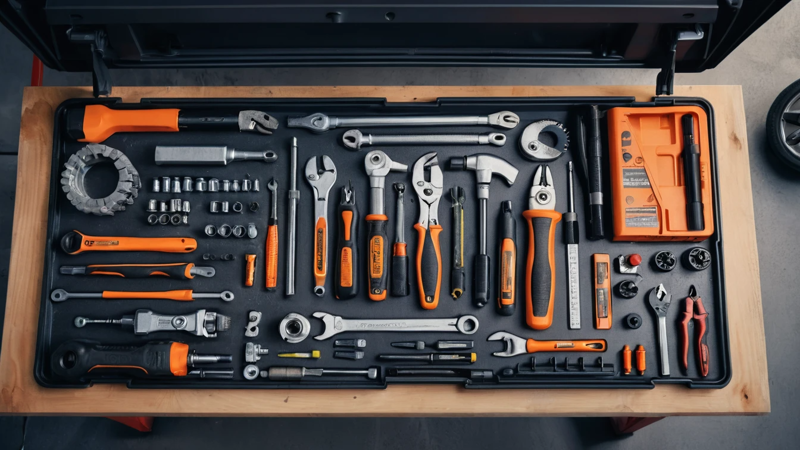
Having the right tools ready saves time and frustration. Most garage door opener kits include the major parts, but you still need several common tools.
Here are the basic tools required:
- Power drill
- Adjustable wrench
- Screwdrivers
- Ladder
- Level
- Measuring tape
- Socket set
- Safety glasses
You will also need the garage door opener kit, which includes the motor unit, rail assembly, mounting brackets, sensors, and remote controls.
Preparing everything beforehand keeps the installation smooth and stress-free.
Types Of Garage Door Openers Available 🚪
Not all openers work the same way. Choosing the right type can affect noise levels, durability, and installation difficulty.
| Type | Best For | Noise Level | Maintenance |
| Chain Drive | Heavy doors | Loud | Moderate |
| Belt Drive | Homes with living spaces above garage | Very quiet | Low |
| Screw Drive | Fast operation | Medium | Low |
| Direct Drive | Ultra quiet garages | Very quiet | Very low |
Belt drive openers are popular today because they operate quietly. Chain drive models remain common due to their durability and lower cost.
Choosing the right opener ensures long-term performance.
Preparing Your Garage For Installation 🔧
Preparation is one of the most important steps. A clean workspace makes installation easier and safer.
Start by removing clutter from the garage ceiling area. You will need clear space to mount the motor and rails.
Next, check the garage door balance. Lift the door halfway and release it. If the door stays in place, the springs are balanced.
If the door falls or rises quickly, it may need adjustment. Installing an opener on an unbalanced door can damage the motor.
Checking Garage Door Compatibility Before Installing
Not every garage door works with every opener. Compatibility checks prevent problems later.
First, inspect the door type. Sectional garage doors are the easiest to automate. Single-panel doors may require additional hardware.
Next, measure the door height and width. Most opener kits support standard doors up to seven feet tall.
Also confirm that your garage ceiling has enough space for the rail system. If clearance is limited, a wall-mounted opener may be a better option.
Assembling The Garage Door Opener Rail System
Once preparation is complete, begin assembling the rail system. This rail guides the trolley that lifts the garage door.
Lay all rail pieces on the floor and connect them according to the instructions. Most systems snap or bolt together.
Next, attach the trolley to the rail before mounting it. This saves time later.
Make sure every bolt is tightened securely. A loose rail can cause noisy operation or poor performance.
Mounting The Motor Unit Securely 🔩
The motor unit powers the entire system, so proper mounting is essential.
First, locate the center point of the garage door. This ensures the opener lifts the door evenly.
Attach a header bracket above the door using heavy-duty lag screws. Then connect the rail to this bracket.
Next, mount the motor unit to the ceiling using angle iron brackets. These brackets support the weight and prevent vibration.
Connecting The Door Arm To The Trolley
The door arm links the moving trolley to the garage door.
Begin by attaching the curved door arm to the door bracket. Then connect the straight arm to the trolley.
Both pieces should form a slight angle when the door is closed. This allows the opener to lift smoothly.
Once attached, manually test the movement to ensure nothing binds or sticks.
Installing Safety Sensors Correctly 🚨
Safety sensors are a critical part of modern garage systems.
These sensors sit near the bottom of the door tracks. They create an invisible beam across the doorway.
If something interrupts the beam, the opener immediately stops or reverses. This prevents injuries and accidents.
Follow these steps:
- Mount sensors on both sides of the door
- Keep them six inches above the floor
- Align the sensors so the beams meet
- Secure wiring neatly along the wall
Proper alignment ensures the door operates safely every time.
Wiring The Garage Door Opener System 🔌
Next comes the electrical connections. This step powers the opener and connects the wall control.
Most openers plug into a ceiling outlet. If your garage lacks one, an electrician may need to install it.
Run low-voltage wires from the motor to the wall control panel. Then connect the safety sensor wires.
Take your time and follow the wiring diagram carefully. Proper wiring prevents malfunction and ensures reliable operation.
Programming The Remote And Wall Controls
Once the opener is powered, it is time to program the controls.
Modern openers include wireless remotes and keypad entry systems. Programming usually involves pressing a “learn” button on the motor.
Then press the remote button to pair it with the system. The opener will confirm the connection with a blinking light.
Many systems also allow smartphone connectivity for remote access.
Adjusting Travel Limits And Force Settings ⚙️
Travel limits tell the opener how far the door should move.
Without proper adjustment, the door may stop too early or slam shut. This can damage the system over time.
Adjust two key settings:
- Up limit – how high the door opens
- Down limit – how far it closes
Also adjust the force setting so the opener stops if it meets resistance.
These small adjustments make a big difference in performance.
Testing The Garage Door Opener After Installation
Testing ensures the entire system works correctly before regular use.
Open and close the door several times using the remote. Listen for unusual noises or vibrations.
Then test the safety sensors by placing an object in the doorway. The door should immediately reverse when closing.
Finally, pull the emergency release cord to confirm manual operation works properly.
A thorough test confirms the installation is successful.
Common Installation Mistakes To Avoid ❌
Even simple installations can go wrong without careful attention.
Here are mistakes many DIY installers make:
- Mounting the opener off-center
- Skipping sensor alignment
- Using weak mounting brackets
- Ignoring door balance issues
- Over-tightening bolts
Avoiding these errors keeps the opener running smoothly for years.
Estimated Time And Cost For Installation 💰
Many homeowners choose DIY installation because it saves money.
| Installation Type | Average Cost | Time Required |
| DIY Installation | $150–$350 | 3–5 hours |
| Professional Installation | $400–$700 | 2–3 hours |
| Smart Opener Installation | $500–$900 | 3–4 hours |
DIY projects are cheaper but require patience and attention to detail.
Professional installers offer faster results and guaranteed setup.
Maintenance Tips After Installing A Garage Door Opener
Regular maintenance keeps your opener running smoothly.
Follow these simple habits:
- Lubricate moving parts every six months
- Tighten loose bolts and brackets
- Test safety sensors monthly
- Clean the rail and track system
- Replace remote batteries yearly
Routine maintenance extends the life of your garage door system.
Signs Your Garage Door Opener Needs Replacement
Even well-maintained openers eventually wear out.
Watch for these warning signs:
- Loud grinding noises
- Slow or jerky door movement
- Frequent sensor errors
- Remote control failures
- Opener older than 15 years
Replacing the opener early prevents sudden failure.
Smart Features Modern Garage Door Openers Offer 📱
Technology has transformed garage door systems.
Many new openers include:
- Smartphone control apps
- Wi-Fi connectivity
- Motion-activated lighting
- Battery backup during power outages
- Voice assistant compatibility
These features make garage access more convenient and secure than ever.
| Smart Feature | Benefit |
| Wi-Fi Control | Open door from anywhere |
| Security Alerts | Monitor door activity |
| Auto Close Timer | Prevents doors left open |
| Motion Lights | Improves garage visibility |
Smart upgrades are worth considering during installation.
Conclusion
Installing a garage door opener may seem intimidating at first, but it becomes manageable when broken into clear steps. With basic tools, careful preparation, and patience, many homeowners complete the installation in just a few hours.
The key steps include assembling the rail system, mounting the motor, installing safety sensors, wiring controls, and adjusting travel limits. Each step plays an important role in smooth and safe operation.
Once installed, your garage becomes far more convenient and secure. Press a button, and the heavy lifting disappears. With proper maintenance, your garage door opener can operate reliably for many years.
FAQs
How Long Does Installing A Garage Door Opener Take?
Most homeowners complete the installation in about four hours. The exact time depends on experience and garage setup. Beginners may take a little longer while learning the steps.
Can A Beginner Install A Garage Door Opener?
Yes, beginners can install one using a detailed guide and basic tools. Most opener kits include clear instructions. Taking your time and following steps carefully makes the process easier.
What Tools Are Needed To Install A Garage Opener?
You need a drill, wrench, ladder, screwdriver, and measuring tape. Most tools are common household items. Safety glasses are also recommended during installation.
Do Garage Door Openers Work With All Doors?
Most openers work with sectional garage doors. Older one-piece doors may require special hardware. Always check compatibility before purchasing the opener.
Should I Install A Smart Garage Door Opener?
Smart openers add convenience and remote access. You can control the door using your smartphone. They also provide security alerts and automatic closing features.
Leave a Reply