

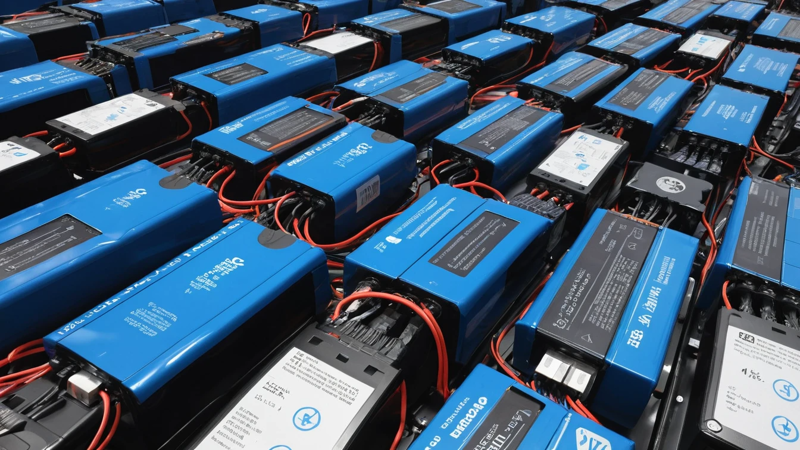
How long EV batteries last depends on charging, climate, and driving habits. Learn average lifespan, replacement costs, and expert tips.
Electric vehicle batteries usually last 10 to 20 years or around 100,000 to 300,000 miles. Most modern EV batteries outlive factory warranties and lose capacity slowly over time. Smart charging habits, moderate temperatures, and regular driving can help EV batteries last even longer.
How Long EV Batteries Last ⚡
Have you ever wondered if an electric car battery will die before the car itself? Many drivers still worry about battery replacement costs and long-term reliability. The truth is that modern EV batteries are far more durable than most people think. In many cases, they can last as long as a traditional gas-powered engine.
Electric vehicles have changed the way Americans think about driving 🚗. They offer lower fuel costs, smoother rides, and less maintenance. Still, one question comes up again and again: how long do EV batteries actually last? The answer depends on several factors, including battery chemistry, charging habits, driving conditions, and climate.
What Determines EV Battery Lifespan 🔋
An EV battery does not suddenly stop working overnight. Instead, it slowly loses capacity over time. This process is called battery degradation. Most electric car batteries lose a small percentage of their range each year.
Several factors affect battery lifespan, including:
- Charging frequency
- Extreme temperatures
- Fast charging habits
- Mileage driven
- Battery management systems
- Driving style
Modern EVs use advanced software to protect battery health. These systems regulate charging speed and battery temperature automatically. That protection helps batteries survive for many years without major issues.
Average Lifespan Of EV Batteries 📅
Most EV manufacturers estimate battery life between 8 and 15 years. However, real-world data shows many batteries lasting much longer. Tesla, Hyundai, and other brands report strong battery performance even after high mileage.
Here’s a quick look at average EV battery longevity:
| EV Type | Average Battery Lifespan | Estimated Mileage |
| Compact EVs | 10–15 Years | 100,000–200,000 Miles |
| Luxury EVs | 12–20 Years | 200,000–300,000 Miles |
| Commercial EVs | 8–12 Years | 150,000–250,000 Miles |
Battery technology improves every year. Newer EV models often have better cooling systems and smarter charging management. That means batteries today are likely to last longer than older EV batteries.
How EV Battery Degradation Works ⚙️
Battery degradation happens naturally over time. Every charging cycle slightly reduces the battery’s ability to hold energy. Still, the decline is usually slow and manageable.
Most EV batteries retain around 70% to 90% of their original capacity after 8 years. That means your car may lose some range, but it will still drive normally. For example, a 300-mile EV may still deliver 240 miles after several years.
Extreme heat speeds up degradation faster than cold weather. High temperatures create stress inside lithium-ion cells. That is why battery cooling systems are so important in modern electric cars.
How Many Miles Can EV Batteries Last 🚘
Mileage matters more than age for many batteries. Some EVs have already crossed 300,000 miles using original battery packs. That proves electric car batteries are tougher than many people expected.
Here are common mileage expectations:
| Battery Condition | Estimated Range Remaining |
| New Battery | 100% Capacity |
| After 100,000 Miles | 85–90% Capacity |
| After 200,000 Miles | 75–85% Capacity |
| After 300,000 Miles | 65–75% Capacity |
Driving patterns affect mileage life significantly. Aggressive acceleration and repeated fast charging can wear batteries faster. Smooth driving helps preserve battery health over the long run.
EV Battery Warranties Explained 🛡️
Most automakers provide long battery warranties for peace of mind. Federal regulations in the U.S. require EV batteries to be covered for at least 8 years or 100,000 miles.
Some manufacturers offer even better coverage. Brands like Tesla, Kia, and Hyundai often provide warranties up to 150,000 miles depending on the model.
These warranties usually protect against excessive battery degradation. If capacity drops below a certain percentage, the manufacturer may repair or replace the battery.
Do Fast Chargers Damage EV Batteries? ⚡
Fast charging is convenient, but too much of it can increase battery wear. DC fast chargers generate more heat compared to slower home charging. Heat is one of the biggest enemies of lithium-ion batteries.
Occasional fast charging is completely normal. Most EVs are designed to handle it safely. Problems usually happen when drivers rely on fast charging every day.
To protect battery health:
- Use Level 2 charging at home when possible
- Avoid charging to 100% daily
- Limit frequent DC fast charging
- Keep battery levels between 20% and 80%
Following these habits can extend battery lifespan significantly 😊.
Climate And Temperature Effects 🌡️
Weather plays a major role in battery performance. Hot climates tend to age batteries faster. Cold climates temporarily reduce driving range but usually cause less permanent damage.
EVs with liquid-cooled battery systems perform better in extreme temperatures. Cooling systems keep batteries operating within safe limits.
Drivers in very hot states like Arizona or Nevada may see slightly faster degradation. Parking in shaded areas and avoiding extreme heat exposure can help reduce stress on the battery pack.
Can EV Batteries Be Replaced? 🔧
Yes, EV batteries can absolutely be replaced. Battery replacement is not common early in a vehicle’s life, but it is possible if needed.
Replacement costs vary widely depending on the vehicle model and battery size. Prices have dropped dramatically over the last decade as battery production expanded worldwide.
Here’s an overview of replacement costs:
| EV Model Type | Estimated Battery Replacement Cost |
| Small EV | $5,000–$8,000 |
| Mid-Size EV | $8,000–$15,000 |
| Luxury EV | $15,000–$25,000 |
Labor costs may also apply. However, many EV owners never need a full battery replacement during ownership.
Why EV Batteries Last Longer Than Expected 🚀
Early electric vehicles created fear about battery failures. Modern EVs tell a different story. Manufacturers learned how to improve battery durability through software and cooling systems.
Several innovations improved battery longevity:
- Advanced thermal management
- Better lithium-ion chemistry
- Smarter charging algorithms
- Improved energy balancing
- Stronger battery protection systems
Because of these upgrades, today’s EV batteries often outlast consumer expectations. Some studies show EV batteries degrading slower than predicted just a few years ago.
Best Habits To Extend EV Battery Life 💡
Good charging habits make a huge difference over time. Drivers who follow simple battery care practices often experience slower degradation.
Helpful habits include:
- Charge slowly overnight when possible
- Avoid extreme battery percentages
- Keep software updated
- Park indoors during heat waves
- Drive smoothly instead of aggressively
Think of EV battery care like maintaining a smartphone battery, but on a much larger scale. Small habits add up over many years.
Are EV Batteries Better Than Gas Engines? ⛽
Gasoline engines have hundreds of moving parts. EV batteries and electric motors are mechanically simpler. That simplicity often means lower maintenance overall.
Traditional engines require:
- Oil changes
- Transmission repairs
- Spark plugs
- Fuel systems
- Exhaust maintenance
Electric vehicles avoid many of these costs. Although battery replacement sounds expensive, many gas vehicles also face costly engine or transmission repairs later in life.
“Most EV batteries are designed to outlast the average ownership period of the vehicle.”
That reality changes how many drivers think about electric cars.
How Battery Technology Keeps Improving 🔬
Battery innovation moves incredibly fast. Researchers continue finding ways to increase energy density and durability.
New battery technologies include:
- Solid-state batteries
- Lithium iron phosphate batteries
- Silicon anodes
- Sodium-ion batteries
These next-generation batteries may last even longer while charging faster. Some experts predict future EV batteries could exceed 500,000 miles with minimal degradation.
Automakers are investing billions into battery research. That investment continues pushing electric vehicle performance higher every year.
What Happens To Old EV Batteries ♻️
Old EV batteries still have value even after leaving a vehicle. Many retired batteries are reused for energy storage systems.
Second-life applications include:
- Solar energy storage
- Home backup power
- Commercial grid support
- Emergency energy systems
Battery recycling is also growing quickly. Valuable materials like lithium, nickel, and cobalt can be recovered and reused.
This recycling process helps reduce environmental impact while lowering future battery production costs 🌎.
Common Myths About EV Batteries ❌
Many outdated myths still confuse buyers. Let’s clear up a few common misunderstandings.
Myth: EV Batteries Die Quickly
Modern batteries are designed for long-term use. Most easily survive beyond warranty periods.
Myth: Replacing Batteries Happens Often
Full replacements are still relatively rare. Most owners never replace their battery pack.
Myth: Cold Weather Permanently Ruins Batteries
Cold weather mainly reduces temporary range. Permanent damage is usually linked more to excessive heat.
Understanding these facts helps consumers make better EV decisions.
Signs Your EV Battery Is Aging 📉
Battery aging usually happens gradually. Drivers may notice slower charging speeds or reduced driving range over time.
Common warning signs include:
- Lower driving range
- Longer charging sessions
- Reduced acceleration
- Battery warning messages
- Faster battery drain
Most EV software systems monitor battery health automatically. Dealers can also perform battery diagnostics when needed.
Even older EV batteries often remain usable for many years after noticeable degradation begins.
Are Used EVs Still Worth Buying? 💰
Used EVs can offer excellent value. Battery health matters more than vehicle age alone. A well-maintained battery can still provide strong performance.
Before buying a used EV:
- Check battery warranty coverage
- Request a battery health report
- Review charging history
- Look at mileage and climate exposure
Many used EVs still maintain over 80% battery capacity after years of driving. That can provide plenty of range for everyday commuting.
The Future Of EV Battery Lifespan 🌟
The future looks promising for electric vehicle batteries. Automakers continue extending battery durability while reducing costs.
Experts expect several improvements soon:
- Longer battery warranties
- Faster charging times
- Reduced degradation
- Lower replacement costs
- More sustainable materials
As technology advances, EV ownership becomes even more practical for average American drivers. Concerns about battery lifespan continue shrinking every year.
Conclusion 🎯
So, how long EV batteries last depends on several real-world factors, but most modern batteries easily survive for a decade or more. Many electric vehicles can travel between 100,000 and 300,000 miles before significant battery degradation occurs. Thanks to improved battery chemistry, advanced cooling systems, and smarter charging technology, EV batteries now last far longer than many people expected.
Drivers who follow healthy charging habits often enjoy even better battery performance over time. While battery replacement costs still sound intimidating, actual failures remain uncommon. For most Americans, an EV battery will likely outlast their ownership of the vehicle itself. That makes electric vehicles a much more reliable long-term investment than many skeptics once believed ⚡.
FAQs
How Long Do Tesla EV Batteries Last?
Tesla batteries commonly last between 300,000 and 500,000 miles depending on the model and driving habits. Most retain strong capacity after many years. Proper charging habits can help extend lifespan even further.
Does Fast Charging Hurt EV Batteries?
Frequent fast charging can increase battery wear over time because it creates more heat. Occasional fast charging is usually safe. Most manufacturers design batteries to handle regular fast charging without serious problems.
Can EV Batteries Last 20 Years?
Some EV batteries may last close to 20 years under ideal conditions. Cooler climates and careful charging habits help significantly. Battery technology improvements continue increasing lifespan expectations.
How Expensive Is EV Battery Replacement?
Replacement costs usually range from $5,000 to $20,000 depending on the vehicle. Prices continue falling as battery production grows worldwide. Many drivers never need a replacement during ownership.
Do Electric Cars Lose Range Over Time?
Yes, electric cars slowly lose range as batteries age. Most EVs still keep around 70% to 90% capacity after several years. The reduction usually happens gradually rather than suddenly.
Leave a Reply