

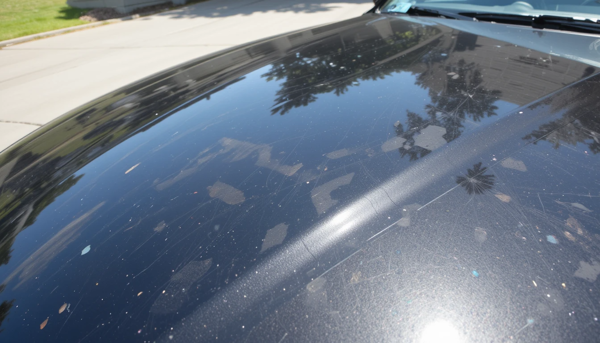
Yes, sun exposure damages your car’s paint over time.
Many drivers in Indianapolis always protect their cars against crashes or road debris. But they forget the one thing that causes paint damage: the sun.
The paint on your car plays many roles. It shields the body against:
- Environmental conditions
- Moisture
- Corrosion
That is in addition to making it look good. If your car spends most of its time in the open air, it is exposed to ultraviolet rays and heat. These conditions may unusually wear down its exterior over time. Here is how:
The sun breaks down car paint
Every time your car is parked in the sun, ultraviolet radiation happens. Over time, UV rays weaken the chemical composition of the paint layers. Automotive paint is usually composed of a series of coats, which are:
- A primer
- Base color
- A clear protective color.
All these layers ensure the finish and lifespan of the car’s exterior.
But gradually, the layers weaken due to UV exposure. The first layer that is usually affected is the clear coat. This defense layer starts to weaken. Then, it exposes the color below. As the sun continues to ruin the surface, you might begin to notice:
- Fading
- Dullness
- Uneven color on your vehicle.
Fading results
This is one of the most evident consequences of extended exposure to sunlight. Bright colors fade faster compared to light shades. For example, red, blue, and black. Over time, you may notice that your car is not as vibrant as it used to be. In severe cases, it will have patches where the color appears uneven.
The fading is due to the fact that the pigments that give your car its color are broken apart by UV rays. This is a gradual process. That is why most drivers do not notice it until the damage happens. When fading is severe, professional repainting may be necessary to restore the original color.
The heat can accelerate paint damage
Exposure to UV radiation is not the only form of sun exposure. Heat also causes automotive paint damage. The surface of your car is very hot when it is in the sun. At high temperatures, paint materials expand and contract multiple times per day.
This permanent temperature variation may weaken the paint structure. This can eventually cause:
- Cracks
- Peeling
- Bubbles on the surface.
UV plus heat damage speeds up the breakdown of the protective clear coat.
Clear coat failure exposes the paint to vulnerability
The clear coat is designed to protect your vehicle’s paint from environmental factors. Once sun exposure undermines or strips this protective layer, your car is at risk of other kinds of damage.
In the absence of a good, clear coat, the exterior is likely to:
- Soak up dirt and contaminants
- Develop oxidation
- Become prone to scratches
- Lose its glossy finish.
The most common indicator of this damage is a cloudy or peeling appearance on the surface of your car. When this happens, a professional paint job is necessary.
Oxidation can destroy paint permanently
When the protective layers begin to break down, oxygen reacts with the paint surface. Sun exposure accelerates this process. It weakens the clear coat and reveals the paint below.
Oxidized paint usually appears chalky or coarse. It completely loses its lustre. At this point, simple washing or waxing will not bring the finish back. You have to visit a reliable Auto Paint Shop Indianapolis for professional restoration services.
Sun exposure increases repair costs in the long run
Slight fading or clear coats can sometimes be remedied through polishing or protective solutions. But when the paint starts peeling or cracking, you might have to repaint whole panels or sections of the car. And the cost of fixing sun-related car paint damage is not cheap.
That is why it is important to address early signs of sun damage. This will prevent a more extensive restoration in the future. Proper maintenance will also keep your car’s paint in shape.
Parking habits play a role
Where you leave your car also affects the life of the paint. Cars that are parked outside for long durations have much more UV exposure than cars in covered areas.
You can minimize the effects of the UV radiation by:
- Parking in a garage where possible
- Using covered parking structures.
- Parking at shaded spots.
- Covering a vehicle when parking for extended durations.
The takeaway
Most drivers fail to notice early paint deterioration because the changes occur gradually. With professional inspections, you can discover early symptoms of UV damage, oxidation, or clear coat wear. This way, you can intervene on time.
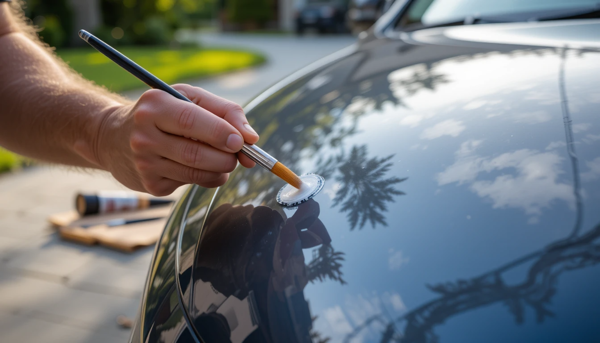
Depending on the state of your vehicle’s paint, experts can prescribe:
- Protective treatments
- Polishing services
- Repainting solutions.
This will save you from more extensive and costly repairs. However, the best way to ensure a strong and good-looking exterior finish is to protect your car against extended sun exposure.
Leave a Reply