

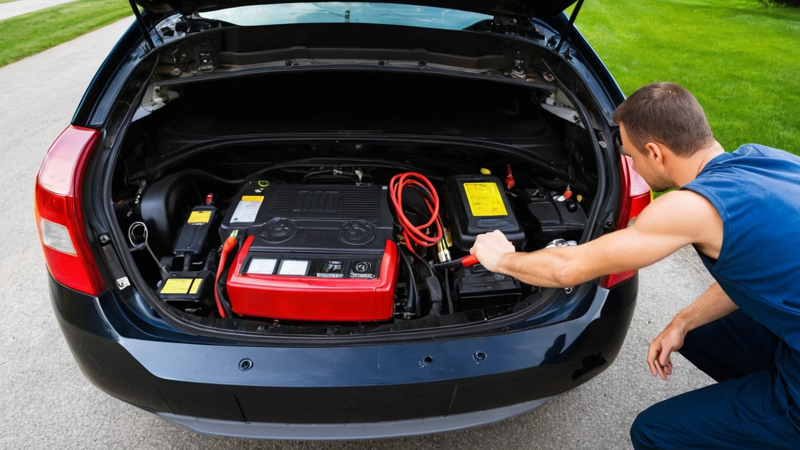
How to properly jump start a car with safe, easy steps. Learn the right way to use jumper cables and avoid costly mistakes.
A proper car jump start involves connecting jumper cables in the correct order, using a working battery, and safely starting the dead vehicle without damaging the electrical system. Following the right steps protects your battery, alternator, and personal safety while getting your car back on the road quickly.
How To Properly Jump Start A Car 🚗⚡
Have you ever turned your key only to hear a weak clicking sound instead of your engine starting? Few things ruin a day faster than a dead car battery. The good news is that learning how to properly jump start a car is easier than most people think.
If done correctly, a jump start can safely revive your vehicle in minutes. But one wrong cable connection can damage electronics, spark a fire, or even injure someone. That’s why understanding the right process matters so much.
Whether you are helping a friend or stranded in a parking lot yourself, this guide will walk you through every step in simple language. You will also learn common mistakes to avoid, battery safety tips, and what to do if your car still will not start.
Why Car Batteries Die 🔋
Car batteries can die for many reasons. The most common cause is leaving lights or electronics on overnight. Even a small interior light can slowly drain battery power.
Cold weather also weakens batteries. During winter, chemical reactions inside the battery slow down. This makes it harder for the engine to turn over. Older batteries struggle the most in freezing temperatures.
Sometimes the issue comes from a failing alternator or corroded battery terminals. If your battery dies repeatedly, there may be a larger electrical problem. In that case, a jump start is only a temporary fix.
Signs Your Car Battery Is Dead 🚘
A dead battery usually gives warning signs before completely failing. Recognizing these clues can save you stress later.
Here are some common symptoms:
- Clicking noise when turning the key
- Dim headlights
- Dashboard lights flickering
- Slow engine cranking
- Power windows moving slowly
- Radio not turning on
If you notice several of these signs together, your battery may need immediate attention.
| Common Battery Symptoms | What It Usually Means |
| Clicking sound | Low battery power |
| Dim headlights | Weak electrical output |
| Slow engine crank | Battery struggling |
| Corrosion on terminals | Poor battery connection |
| Battery warning light | Charging system issue |
What You Need Before Jump Starting 🧰
Before starting, gather the right tools. Having proper equipment makes the process safer and faster.
You will need:
- Jumper cables
- A second vehicle with a healthy battery
- Safety gloves if possible
- Safety glasses for extra protection
Check your jumper cables carefully. Cheap or damaged cables may not transfer enough power. Thick cables with strong clamps work best.
You should also park both vehicles close enough for the cables to reach comfortably. However, the cars should never touch each other.
How Jumper Cables Work ⚡
Jumper cables transfer electrical power from a healthy battery to a dead one. This temporary boost gives the weak battery enough energy to start the engine.
Each cable has two colors. The red cable is positive, while the black cable is negative. Correct placement is critical for safety.
Improper connections can damage sensitive electronics inside modern vehicles. Some newer cars even have battery management systems that react badly to incorrect jump starts.
That is why following the exact connection order matters every time.
Park The Vehicles Correctly 🚙
Position the working vehicle close to the dead car. Most people place them hood-to-hood or side-by-side.
Turn both vehicles completely off before touching the batteries. Put the cars in park or neutral and engage the parking brakes. This prevents accidental movement during the process.
Next, open both hoods and locate the batteries. Some modern vehicles hide batteries under covers or inside trunks. Check your owner’s manual if needed.
Identify Positive And Negative Terminals ➕➖
Battery terminals are clearly marked with symbols. The positive terminal usually has a plus sign (+) and may have a red cover. The negative terminal has a minus sign (-) and is often black.
Never guess terminal locations. Double-check before connecting cables. One wrong move can create dangerous sparks.
Clean away visible corrosion if necessary. White or green buildup can block electrical flow. A wire brush or dry cloth usually works well for light corrosion.
| Battery Part | Color | Symbol |
| Positive Terminal | Red | + |
| Negative Terminal | Black | – |
| Jumper Cable Positive | Red Clamp | + |
| Jumper Cable Negative | Black Clamp | – |
Connect The Jumper Cables In Order 🔌
This is the most important part of the process. Follow these steps exactly.
- Connect one red clamp to the dead battery’s positive terminal.
- Attach the other red clamp to the healthy battery’s positive terminal.
- Connect one black clamp to the healthy battery’s negative terminal.
- Attach the final black clamp to an unpainted metal surface on the dead car.
Do not connect the last black clamp directly to the dead battery. This reduces the risk of sparks near battery gases.
Take your time during this step. Rushing can lead to expensive mistakes.
Start The Working Vehicle First 🚘⚙️
Once the cables are connected, start the vehicle with the good battery first. Let it run for several minutes.
This allows power to flow into the dead battery gradually. Some severely drained batteries may need extra charging time before starting.
Keep the engine slightly above idle if possible. Gentle acceleration can help the charging process move faster.
Avoid revving the engine aggressively. Too much power can stress electrical components.
Start The Dead Vehicle Safely 🔑
After waiting a few minutes, try starting the dead vehicle. If the engine turns over slowly, wait another few minutes before trying again.
Once the car starts, let it run continuously. Turning it off immediately could leave you stranded again.
If the car does not start after several attempts, the battery may be completely failed. In some cases, the starter or alternator could also be the issue.
A successful jump start usually sounds strong and smooth. Weak cranking may indicate a deeper electrical problem.
Remove The Jumper Cables Correctly 🛑
Cable removal is just as important as installation. Remove them in reverse order to avoid sparks.
Follow this sequence:
- Remove the black clamp from the metal surface
- Remove the black clamp from the healthy battery
- Remove the red clamp from the healthy battery
- Remove the red clamp from the revived battery
Keep clamps from touching each other during removal. Metal contact can create dangerous sparks.
Store the cables neatly afterward to avoid damage.
Let The Engine Run After Jump Starting ⛽
Your car battery needs time to recharge after a jump start. Driving the vehicle helps the alternator restore lost power.
Experts recommend driving for at least 20 to 30 minutes. Highway driving works best because the engine maintains steady charging speed.
Avoid using power-hungry electronics immediately. Heated seats, strong air conditioning, and charging devices increase battery strain.
If your battery dies again shortly afterward, it likely needs replacement.
Common Jump Start Mistakes To Avoid ⚠️
Many drivers accidentally damage their cars during jump starts. Simple errors can become costly repairs.
Avoid these common mistakes:
- Connecting cables backward
- Letting cable clamps touch
- Smoking near batteries
- Using damaged jumper cables
- Jump starting a cracked battery
- Ignoring corrosion buildup
Modern cars contain sensitive computers and sensors. Improper jump starts can damage these systems quickly.
“A few extra seconds of caution can save thousands in repairs.”
Is It Safe To Jump Start Modern Cars? 🤖
Modern vehicles are generally safe to jump start if done properly. However, advanced electronics make correct procedures even more important.
Hybrid and electric vehicles often require special instructions. Some manufacturers recommend professional service instead of traditional jumper cables.
Always check the owner’s manual before attempting a jump start on luxury or newer vehicles. Certain models have designated jump points rather than exposed batteries.
If you feel uncertain, roadside assistance may be the safest option.
| Unsafe Action | Possible Risk |
| Reversed cables | Electrical damage |
| Touching clamps together | Sparks or fire |
| Smoking near battery | Explosion risk |
| Using frayed cables | Electrical shock |
| Jumping frozen battery | Battery rupture |
When A Jump Start Will Not Work ❌
Sometimes a dead battery is not the actual problem. A jump start only works if the battery is the main issue.
Here are signs something else may be wrong:
- Engine still will not crank
- Vehicle starts then dies immediately
- Burning smell appears
- Dashboard lights flicker wildly
- Battery dies repeatedly
A faulty alternator may fail to recharge the battery while driving. In other cases, a bad starter motor prevents ignition entirely.
Professional testing can identify the exact issue quickly.
Portable Jump Starters Vs Jumper Cables 🔋
Portable jump starters have become very popular recently. These compact battery packs eliminate the need for another vehicle.
They are easy to store and useful during emergencies. Many include flashlights, USB ports, and air compressors.
Traditional jumper cables still work well, especially for larger vehicles. However, portable units offer more independence and convenience.
Here is a quick comparison:
- Portable jump starters: Convenient and compact
- Jumper cables: Affordable and reliable
- Portable units: Need regular charging
- Cables: Depend on another vehicle
Both tools can be valuable for roadside emergencies.
How To Maintain Your Car Battery 🛠️
Preventing a dead battery is easier than dealing with one. Simple maintenance habits can extend battery life significantly.
Try these battery care tips:
- Clean terminals regularly
- Drive your car often
- Turn off electronics before exiting
- Test older batteries yearly
- Protect the battery from extreme weather
Most car batteries last between three and five years. Replacing an aging battery early prevents unexpected breakdowns.
Regular inspections also help catch alternator problems before they worsen.
Emergency Safety Tips During A Jump Start 🚨
Safety should always come first. Car batteries contain acid and produce explosive gases.
Wear gloves whenever possible. Avoid leaning directly over the battery while connecting cables.
Keep children and pets away from the vehicles during the process. Also, never attempt a jump start in standing water or heavy rain.
If you notice battery swelling, leaking fluid, or cracking, stop immediately. A damaged battery should never be jump started.
What To Do After A Successful Jump Start ✅
After your vehicle starts, do not assume the problem is solved forever. A dead battery often signals wear or charging issues.
Schedule a battery test within the next few days. Many auto parts stores offer free battery checks.
Pay attention to warning signs afterward. If your car struggles again, replacement may be necessary.
Keeping jumper cables or a portable jump starter inside your car is always smart. Emergencies happen when least expected.
Conclusion 🚗✨
Learning how to properly jump start a car is one of the most useful driving skills you can have. The process is simple when you follow the correct safety steps and cable order carefully.
Always connect the cables properly, avoid sparks, and let the engine recharge after starting. A careful jump start protects both your safety and your vehicle’s electrical system.
Most importantly, remember that repeated battery problems usually point to a larger issue. Regular maintenance and early testing can prevent stressful roadside emergencies in the future.
FAQs
How Long Should I Drive After Jump Starting?
Drive for at least 20 to 30 minutes after a successful jump start. This gives the alternator time to recharge the battery properly. Highway driving usually charges faster than city driving.
Can You Jump Start A Completely Dead Battery?
Yes, but it may take several minutes before the battery gains enough charge to start. Extremely old or damaged batteries may not recover at all. In those cases, replacement is usually necessary.
Is It Bad To Jump Start A Car Often?
Frequent jump starts can indicate a failing battery or charging issue. Repeatedly relying on jump starts may strain your electrical system. A mechanic should inspect the vehicle if the problem continues.
Can Rain Affect A Car Jump Start?
Light rain is usually manageable, but caution is important. Avoid standing water and keep cables dry whenever possible. Severe weather conditions increase electrical risks significantly.
What Happens If Jumper Cables Are Backwards?
Incorrect cable placement can damage electronics, batteries, and alternators instantly. It may also create dangerous sparks or overheating. Always double-check terminal connections before starting either vehicle.


Leave a Reply