Nelson
What does a bad sway bar link sound like? Learn the noisy signs, causes, and fixes in this simple, expert-backed car care guide.
What Does a Bad Sway Bar Link Sound Like? 🤔
Ever heard weird clunking sounds when turning or going over bumps? 🚗 That noise might not be just road debris—it could be a bad sway bar link. But what does a bad sway bar link sound like, and how can you tell for sure?
Let’s dive into the gritty details of suspension noise, how to identify it, and what to do about it before things get worse.
🚨 Quick Answer: What Does It Sound Like?
A bad sway bar link makes clunking, rattling, or knocking noises. You’ll hear it when:
- Driving over potholes
- Making sharp turns
- Going over speed bumps
These sounds are often described as loose metal or a clicking joint. They usually come from the front end or underneath your vehicle.
🎯 Why the Sway Bar Link Even Matters
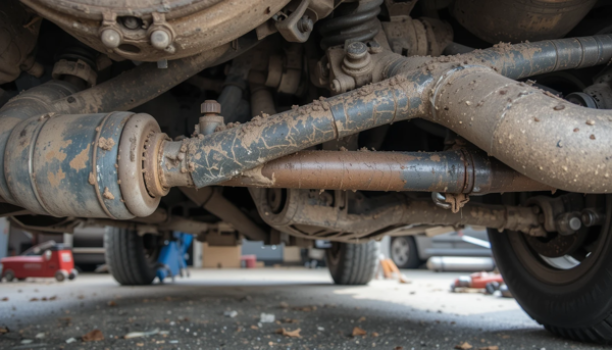
The sway bar link connects your vehicle’s sway bar to the suspension. It reduces body roll during turns and keeps your car stable. When it fails:
- The connection weakens
- The suspension shifts unpredictably
- Your car becomes harder to control
👉 In short: It’s small but super important.
🛠️ Common Symptoms of a Bad Sway Bar Link
A faulty sway bar link doesn’t just sound annoying—it affects your car’s performance.
Here’s what to watch (and listen) for:
- Loud clunks when turning
- Rattling at slow speeds
- Squeaky or creaky noises
- Uneven tire wear
- Poor handling on curves
👂 Sound Breakdown: Noises You’ll Hear
Let’s get specific. Here’s how a bad sway bar link sounds compared to other suspension issues:
| Noise Type | Description | Common When Doing This |
|---|---|---|
| Clunking | Dull thuds or knocks | Turning or hitting bumps |
| Rattling | Loose, shaky metallic sounds | Driving on rough roads |
| Squeaking | High-pitched screeches | Suspension movement |
📍 When You’ll Hear the Noise Most
You won’t hear sway bar link noise all the time. It often shows up during specific actions:
- Turning tightly into a driveway
- Hitting a pothole 🕳️
- Going over a curb slowly
- Taking a speed bump at an angle
If the noise gets louder over time, the damage may be worsening.
🤷♀️ Is It Safe to Drive With a Bad Sway Bar Link?
Technically, yes—for a short time. But is it smart? Absolutely not.
Driving with a broken or loose sway bar link can:
- Increase rollover risk 🚨
- Reduce steering control
- Lead to more expensive damage (ball joints, struts, tires)
Fix it as soon as possible to avoid these dangers.
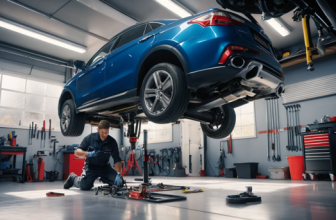
🔍 How Mechanics Diagnose It
A certified mechanic usually does:
- Visual Inspection – Look for wear or broken parts
- Manual Test – Push/pull to check for looseness
- Road Test – Drive to replicate noise
- Suspension Shake Test – Check under load
🔧 DIY Diagnosis Tips 🧰
Want to check it yourself first? Here’s what you can do:
- Park your car on level ground
- Turn the steering wheel fully to one side
- Inspect sway bar links (look for looseness or broken bushings)
- Wiggle the link—if it moves freely, it’s likely bad
💸 Cost to Replace a Sway Bar Link
Worried about your wallet? Here’s a quick breakdown of typical costs:
| Service Type | Average Cost (Parts + Labor) |
| Single Link Replacement | $90–$150 |
| Pair Replacement | $150–$300 |
| DIY Part Only | $20–$60 |
Pro Tip: Always replace both links for even performance.
🧪 What Causes Sway Bar Links to Go Bad?
These components wear out over time, but certain factors speed up the process:
- Driving on rough or gravel roads
- Harsh weather (snow, salt, rain)
- Frequent aggressive turns or off-roading
- Worn bushings or struts
Prevention = longer lifespan.
🕓 How Long Do They Usually Last?
On average, sway bar links last 50,000–100,000 miles. But:
- Frequent city driving? Expect shorter life.
- Off-road often? Replace sooner.
Watch for warning signs, not just mileage.
🧼 Can You Lubricate a Bad Sway Bar Link?
Short answer: Nope.
If it’s worn or broken, grease won’t help. You can lubricate good links with rubber bushings, but once the noise starts, it’s time for a replacement, not a patch.
🔄 Should You Replace One or Both?
Even if only one is bad, always replace both.
Here’s why:
- Balanced handling
- Even wear
- Longer lasting results
It’s like changing shoes—you wouldn’t replace just one sneaker. 👟
🔨 Tools Needed for DIY Replacement
Want to go full DIY? Here’s what you’ll need:
- Jack and jack stands
- Wrenches or socket set
- Penetrating oil (for rusty bolts)
- Torque wrench (for precise tightening)
And, of course, patience. 😉
🚫 Mistakes to Avoid When Replacing
Don’t let a simple job become a nightmare. Watch out for:
- Not using a torque wrench
- Forgetting to tighten both ends
- Reinstalling worn bushings
- Mismatched link sizes
A smooth install = less noise later.
📦 Recommended Brands (If Buying Online)
Not all sway bar links are created equal. Consider these trusted brands:
| Brand | Price Range | Why Choose It |
| Moog | $$ | OEM quality, long-lasting |
| ACDelco | $$ | Trusted for GM vehicles |
| Mevotech | $ | Budget-friendly, decent fit |
Avoid no-name brands with no reviews.
✅ Conclusion: Listen to Your Car
If you hear rattling, clunking, or knocking, don’t ignore it. Your sway bar link might be waving the white flag. 🚩
Act fast:
- Inspect the noise
- Get it diagnosed
- Replace both links
Your car (and wallet) will thank you later. 🙌
FAQs
What does a broken sway bar link sound like when turning?
It sounds like a dull clunk or pop from the front of your car.
Why do I hear rattling underneath when driving slowly?
A loose or worn sway bar link could be shaking against other parts.
Can I drive with a noisy sway bar link?
You can, but it’s unsafe and could cause more damage.
How do I know if it’s the sway bar link or something else?
The noise typically aligns with turning or going over bumps only.
Do sway bar links affect tire wear?
Yes, damaged links can cause poor alignment and uneven tire wear.