


How to bleed car brakes by yourself with simple steps, tools, and pro tips. Boost brake power and safety at home—no mechanic needed.
How to Bleed Car Brakes by Yourself – A Simple DIY Guide That Works 🚗💧
Ever pressed your brake pedal and felt it go soft or spongy?
That’s your car telling you, “Hey, I need attention!” Don’t panic—this is usually caused by air bubbles trapped in your brake lines. The solution? Bleeding your brakes. And guess what? You can do it yourself, right in your driveway.
In this guide, you’ll learn how to bleed car brakes by yourself—step-by-step, with easy-to-follow instructions, tools, safety tips, and visuals that’ll make the job way less intimidating. Let’s dive in and help you drive safer today. 🚘
What Does It Mean to Bleed Car Brakes? 🛠️
Bleeding your brakes means removing air bubbles from the brake fluid lines. When air gets in, it reduces the pressure your brakes need to work properly. That’s why your pedal feels soft or unresponsive.
Why it’s necessary:
- Air compresses easily; brake fluid doesn’t.
- Less fluid pressure = poor braking.
- It’s critical for safety and performance.
Signs Your Car Needs Brake Bleeding 🚨
Before we start, let’s check if your car is even asking for it.
Common symptoms:
- Spongy brake pedal
- Pedal sinks slowly to the floor
- Delayed stopping
- ABS warning light on
- Brake fluid looks dirty or foamy
If you’re nodding to any of these, it’s time to bleed those brakes.
Tools You’ll Need 🧰
Let’s round up everything before getting your hands dirty.
Essential items:
- Jack and jack stands
- Lug wrench
- Clear tubing (about 2 feet)
- Catch bottle (transparent is ideal)
- Wrench (usually 8mm or 10mm)
- Fresh brake fluid (check your car’s manual)
- Gloves and safety glasses
- Brake cleaner spray
- Assistant (optional but helpful)
Safety First! ⚠️
Before touching anything, remember:
- Work on a level surface.
- Use jack stands—not just a jack.
- Never reuse old brake fluid.
- Keep brake fluid off paint—it damages it fast.
- Check your owner’s manual for brake fluid type.
Understanding the Brake Bleeding Order 🔄
Not all cars are created equal. Some require a specific wheel order for bleeding.
Here’s a general rule:
Start with the wheel farthest from the master cylinder, then move closer.
| Brake Bleeding Order (Most Cars) |
|---|
| 1. Rear Passenger Side |
| 2. Rear Driver Side |
| 3. Front Passenger Side |
| 4. Front Driver Side |
Note: Always confirm your car’s correct order in the manual.
Step-by-Step Guide: How to Bleed Car Brakes by Yourself 🔧
Step 1: Jack Up the Vehicle Safely
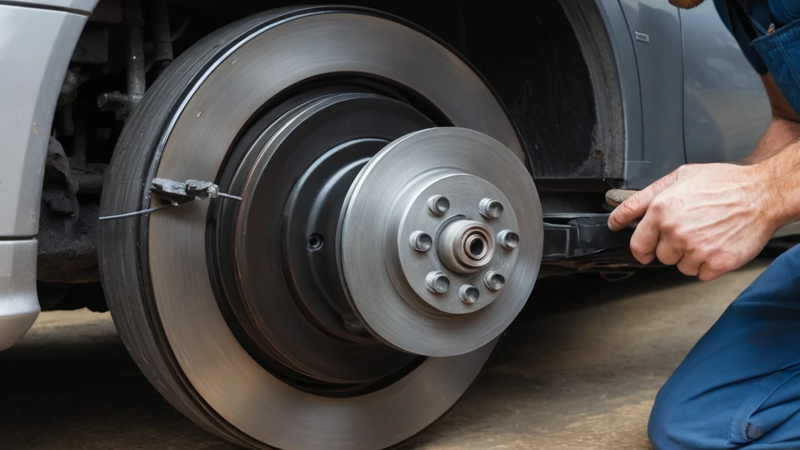
Lift the car and take off the wheels. Put jack stands under strong points, like the frame.
Step 2: Locate the Bleeder Valve
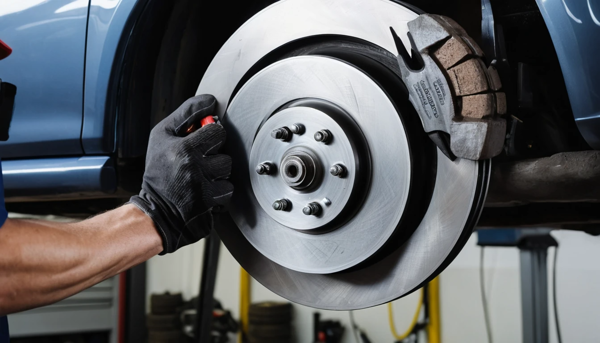
Find the bleeder valve behind the brake caliper. It’s a small metal nipple with a hex nut.
Step 3: Attach the Tubing
Put the clear tubing over the bleeder valve. The other end goes into your catch bottle. Make sure it’s filled with brake fluid to avoid air.
Step 4: Open the Brake Fluid Reservoir 🧪
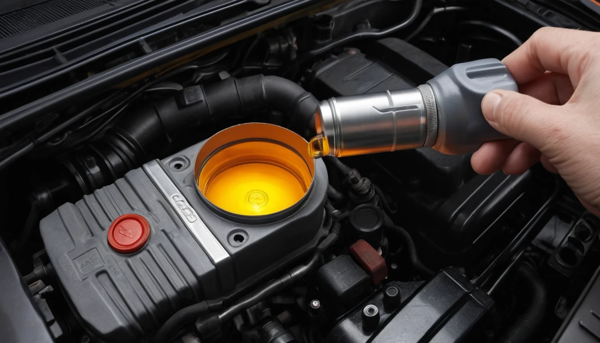
Open your hood and find the brake fluid reservoir. Remove the cap and keep it full during the process.
| Brake Fluid Types (Check Cap or Manual) |
|---|
| DOT 3 |
| DOT 4 |
| DOT 5 (Silicone-based) |
💡Tip: Use a towel around the reservoir to catch drips.
Step 5: The Bleeding Process (Manual Method) 💡
This is where you either recruit a helper or use a one-man kit.
If you have a helper:
- Tell them to press the brake pedal slowly and steadily.
- You open the bleeder valve.
- Fluid and air bubble out through the tube.
- Close the valve before they release the pedal.
- Repeat 4–5 times until only clear fluid flows.
- Top off the brake fluid reservoir.
Solo method:
Use a vacuum or pressure bleeder. Or, gravity bleed by cracking the valve slightly and letting fluid drip into the bottle for 5–10 minutes per wheel.
Repeat the process at each wheel in the correct order.
Step 6: Recheck Brake Fluid Level ⚙️
After each wheel, check and refill the reservoir. If it runs dry, you’ll suck more air in and need to restart.
| Brake Pedal Feel | What It Means |
|---|---|
| Firm | All good ✅ |
| Soft/Spongy | There’s air inside ❌ |
| Pedal sinks | You missed a step ⚠️ |
Step 7: Tighten Everything & Clean Up 🧼
- Wipe down any spilled brake fluid with brake cleaner.
- Tighten bleeder valves.
- Replace wheels and torque the lug nuts.
- Lower the car safely.
Step 8: Test Your Brakes on the Road 🚙
Time to drive! But take it slow at first.
Checklist before you go:
- Pedal feels solid?
- No leaks?
- Fluid at the max line?
Drive around the block, gently pressing the brakes. If all feels good—you nailed it. 🙌
DIY vs. Professional Bleeding – When to Call a Mechanic 🧑🔧
Not everything is DIY-friendly. Call a pro if:
- Your ABS system needs a scan tool to bleed.
- Bleeder valves are rusted or stripped.
- You see brake fluid leaking under the car.
- You tried, but the pedal feels off.
Remember, brakes aren’t a place to cut corners.
Tips to Avoid Brake Bleeding Mistakes 🤯
- Don’t reuse old fluid—ever.
- Don’t pump the brake pedal with the valve open.
- Don’t let the reservoir run dry.
- Don’t skip the wheel order.
How Often Should You Bleed Brakes? 🗓️
It depends on how and where you drive.
General recommendation:
- Every 2 years
- After brake pad/rotor replacement
- Anytime air enters the system
Benefits of Bleeding Your Own Brakes 💪
- Saves money ($80–$150 per service)
- Builds car confidence
- Keeps you safer
- Extends brake system life
- Helps avoid costly repairs
Common Myths About Brake Bleeding 🧠
Let’s bust a few:
“Brake fluid lasts forever.”
Nope—moisture builds up over time, weakening its performance.
“Only mechanics can do it right.”
With the right tools and care, you absolutely can.
“If brakes feel okay, they’re fine.”
Even without symptoms, old fluid can reduce stopping power.
Conclusion: Brake Like a Pro (Even If You’re Not One) 🏁
Bleeding your brakes might sound intimidating, but now you know it’s totally doable at home. With the right tools, attention to detail, and a little patience, you can restore firm brake pedal feel and safer driving—all without a mechanic.
So next time your brakes feel mushy, don’t stress. Just grab your wrench, follow these steps, and give your car the love it deserves.
FAQs
How long does it take to bleed car brakes at home?
Usually 30–60 minutes, depending on your experience and tools.
What type of brake fluid should I use for my car?
Check your owner’s manual. Most cars use DOT 3 or DOT 4.
Can I bleed brakes without a helper?
Yes, with a vacuum bleeder or using the gravity method.
What happens if I skip brake bleeding?
You risk reduced braking power and possible brake failure.
Do I need to bleed all four brakes every time?
Yes—unless you only opened one caliper during service.
References
https://www.familyhandyman.com
https://www.autoblog.com
https://www.caranddriver.com

Leave a Reply