

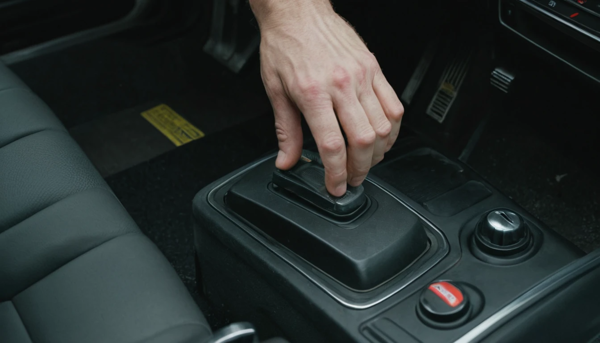
How to fix a soft brake pedal? Discover simple steps to restore firmness and stop safely. Learn causes, fixes, and DIY solutions here.
How to Fix a Soft Brake Pedal: Easy Steps for a Firm, Safe Stop
Meta Title: How to Fix a Soft Brake Pedal – Quick Tips for a Smooth Ride
Meta Description: How to fix a soft brake pedal? Discover simple steps to restore firmness and stop safely. Learn causes, fixes, and DIY solutions here.
Meta Keywords: Soft Brake Pedal, Brake Pedal Repair, Spongy Brakes Fix, Brake Fluid Bleed, Car Brake Issues
Is Your Brake Pedal Feeling Mushy Lately? 😰
Ever pressed your brake pedal only to feel it sink like a sponge? That heart-sinking moment can be scary. You’re not alone—a soft brake pedal is a common problem that drivers face, but it’s also a fixable one. 🛠️
In this guide, we’ll explore how to fix a soft brake pedal, why it happens, and what you can do to make your vehicle feel safe and firm again. Whether you’re a weekend DIYer or just want to understand what your mechanic is doing—you’re in the right place.
Let’s hit the brakes on this issue, shall we?
🚨 What Is a Soft Brake Pedal?
A soft or spongy brake pedal feels like it has no resistance. It goes down too far, making you feel a squishy feel.
This could mean:
- Air is trapped in the brake lines
- You have a brake fluid leak
- The master cylinder is failing
- You just got your brakes replaced but didn’t bleed the system
In short: your braking system isn’t operating at full strength.
🔍 Common Causes of a Soft Brake Pedal
Let’s look at what typically causes this annoying and dangerous issue:
- Air in brake lines – Air compresses, reducing hydraulic pressure
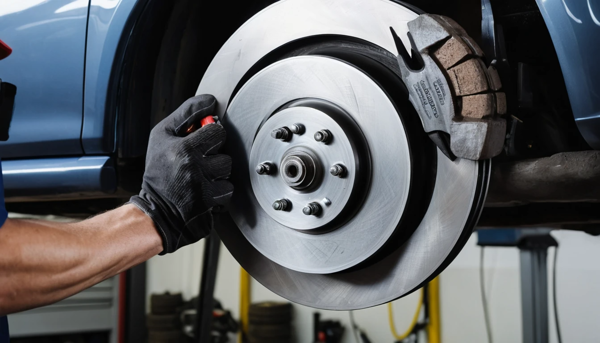
- Worn-out brake pads or shoes – More pedal travel is needed
- Low or contaminated brake fluid – Causes sponginess
- Leaking brake lines – Fluid loss equals pressure loss
- Bad master cylinder – Can’t maintain pressure properly
Diagnosing the cause is half the repair.
🧰 Tools You’ll Need
Here’s a quick list before you start wrenching:
- Brake fluid (DOT 3 or 4 depending on your vehicle)
- Wrenches (typically 10mm or 11mm)
- Brake bleeder kit or clear tubing and a catch bottle
- Jack and jack stands
- Safety gloves and goggles
| Tool | Purpose | Approx. Cost |
|---|---|---|
| Brake Bleeder Kit | Bleed air/fluid from brake lines | $20–$40 |
| DOT 3/4 Brake Fluid | Refills hydraulic system | $5–$10/quart |
| Line Wrench | Opens bleeder valves safely | $8–$15 |
🛑 Step 1: Check Brake Fluid Level
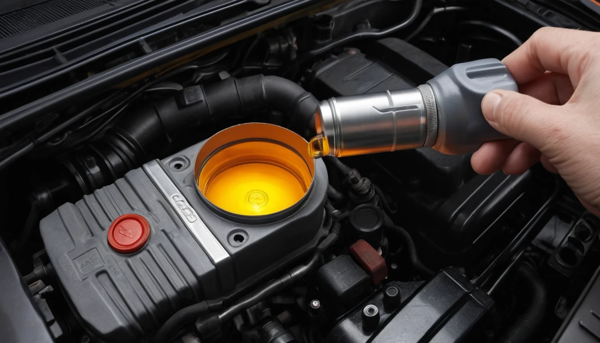
Open the hood and find the brake fluid reservoir. Look at:
- Is it full?
- Is the fluid clear or dark?
👉 Low or dirty fluid can reduce braking efficiency.
Top off with new brake fluid if it’s low. Get ready to bleed if it’s dark or dirty.
🕳️ Step 2: Look for Brake Line Leaks
Look closely at:
- Brake lines under the car
- Calipers and wheel cylinders
- Around the master cylinder
If you see wet or shiny spots, you’ve got a leak. Fix it before moving on.
💨 Step 3: Bleed the Brakes
Bleeding removes air bubbles from the system.
Here’s a simplified method:
- Start at the wheel farthest from the master cylinder (usually rear passenger).
- Use a clear hose on the bleeder screw.
- Have a helper press and hold the brake pedal.
- Open bleeder until fluid/air comes out.
- Close the screw, then repeat.
Repeat for all four wheels in this order:
- Rear passenger
- Rear driver
- Front passenger
- Front driver
| Bleeding Order | Location | Notes |
| 1st | Rear Passenger | Farthest from master cylinder |
| 2nd | Rear Driver | Opposite rear wheel |
| 3rd | Front Passenger | Nearer to master |
| 4th | Front Driver | Closest to master |
🛑 Keep topping off the fluid—don’t let it run dry during the process!
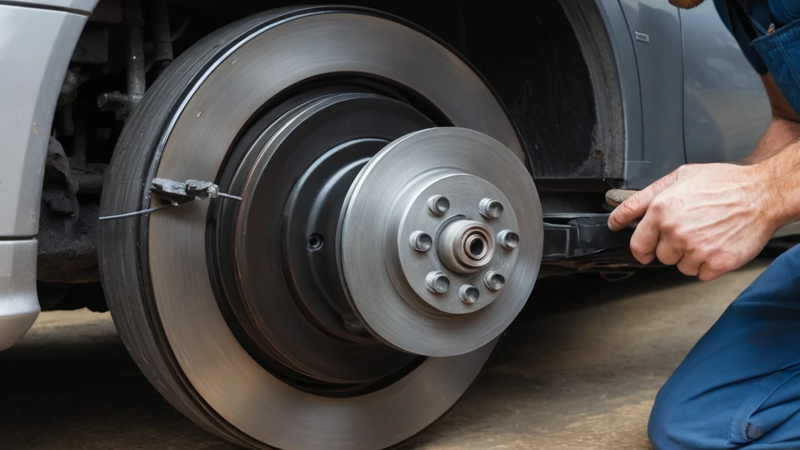
🔧 Step 4: Adjust the Rear Brakes (If Drum Style)
Some vehicles with rear drum brakes need adjustment now and then. If they’re too loose, your pedal will feel soft.
- Remove the drum (if needed)
- Use a brake spoon or flathead to tighten the adjuster
- Reinstall and test for firmness
It’s a small tweak that makes a big difference.
🛠️ Step 5: Inspect the Master Cylinder
If bleeding doesn’t fix it and there’s no leak, your master cylinder might be the problem.
Check for:
- Leaking fluid at the rear seal
- Internal failure (no external signs)
💡 If your pedal sinks slowly with constant pressure—this is a classic master cylinder symptom.
Replacing it is a bigger job, but doable with some patience.
🏁 Step 6: Test Your Brakes
Once everything’s buttoned up:
- Press the pedal—should feel firm and responsive.
- Take a slow test drive in a safe area
- Check for leaks afterward
Does it feel soft? You might need to check your bleed process again or get a pro.
📋 When to Call a Mechanic
Sometimes, DIY isn’t the best choice. Call a mechanic if:
- You can’t identify the leak
- Pedal sinks after bleeding
- Master cylinder replacement is too hard
Your safety is more important than saving money.
🧼 Pro Tip: Keep It Clean
Brake fluid is very corrosive! 🧪 Always:
- Wipe spills right away
- Avoid touching painted areas
- Dispose of old fluid safely
Important: Never use old brake fluid. It gets moist and breaks down quickly.
| Issue | DIY Fix Level | Mechanic Needed? |
| Air in brake lines | Easy | No |
| Leaking brake hose | Moderate | Maybe |
| Bad master cylinder | Complex | Usually |
✅ Conclusion: Smooth, Solid Brakes = Peace of Mind
Fixing a soft brake pedal isn’t hard. With some knowledge, the right tools, and patience, you can:
- Find the cause
- Apply the right fix
- Restore your stopping power 🚗💨
Remember: your brakes are your lifeline. Don’t wait to fix that soft pedal.
❓FAQs
What causes a soft brake pedal after changing pads?
Air might have gotten in. Bleed your brakes well to fix it.
How do I know if my master cylinder is bad?
If the pedal sinks slowly or there’s no pressure, it’s likely bad.
Can I drive with a soft brake pedal temporarily?
No, it’s not safe. Your stopping distance is shorter. Fix it fast.
How long does it take to bleed all four brakes?
About 30–60 minutes with two people and the right tools.
Why does my brake pedal feel soft in the morning?
Cold weather or small leaks might lower fluid pressure at night.
References
https://www.brakebleeder.com
https://www.popularmechanics.com/cars/how-to/a32166407/brake-pedal-soft
https://www.familyhandyman.com/project/how-to-bleed-brakes/


Leave a Reply