

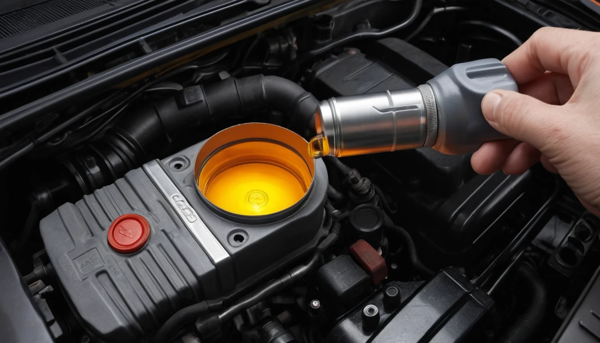
How to check the brake fluid quickly and safely at home. Learn signs of low fluid, checking tips, and maintenance for a smooth, safe ride.
How to Check the Brake Fluid – The Ultimate Step-by-Step Guide 🚗🛠️
Ever thought, “How do I know if my brake fluid needs checking or changing?” Many overlook brake fluid until it’s too late. But, checking your brake fluid regularly is key for safety and performance. It’s important for cars and motorcycles alike to know how to check and maintain brake fluid.
In this guide, I’ll teach you how to check the brake fluid level safely and easily. You’ll learn when to change it and how to test the fluid. Ready to be your own brake system expert? Let’s start!
Why Checking Brake Fluid Matters
Brake fluid is vital for your vehicle’s brakes. It helps your brakes work by transferring force from the pedal to the pads. Without enough or clean fluid, your brakes might not work right.
Brake fluid can get dirty over time. This can make your brakes feel spongy or even fail. So, checking brake fluid regularly prevents expensive repairs and keeps you safe.
What Is Brake Fluid and How It Works
Brake fluid is a special liquid for high pressure and temperature. There are types like DOT3, DOT4, and DOT5, each with its own properties. Your car’s manual will tell you which one to use.
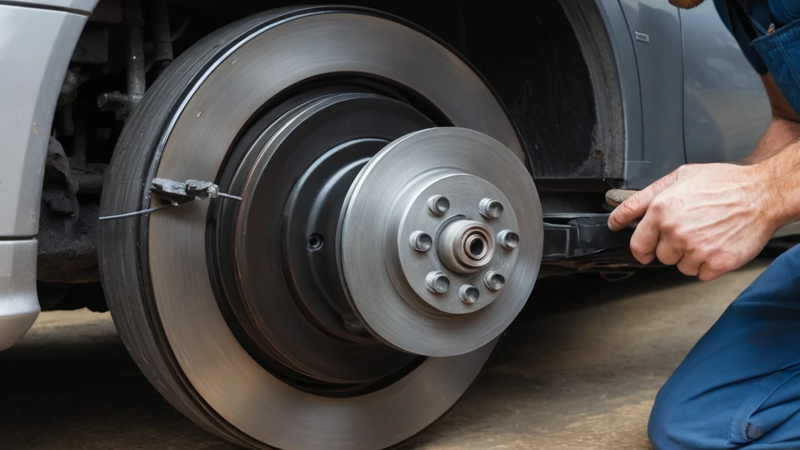
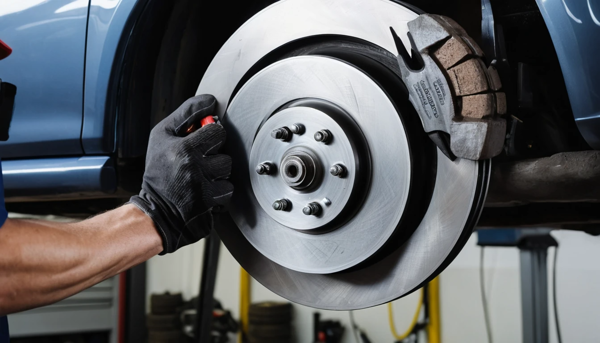
The fluid must stay clean and at the right level for smooth braking. When you press the brake pedal, the fluid helps the brake calipers clamp down on the rotors. This slows you down.
Where Do You Check Brake Fluid? 🔍
To check your brake fluid, find the brake fluid reservoir. It’s usually a small plastic container near the engine on the driver’s side. Look for a “brake fluid” symbol on the cap.
Check the fluid level against the MIN and MAX lines on the reservoir. If it’s hard to see, clean the reservoir and check again. Motorcycles have a smaller reservoir near the handlebars or front fork.
How to Check the Brake Fluid Level in Your Car
Checking your brake fluid level is easy:
- Park your car on a level surface and turn off the engine.
- Open the hood and find the brake fluid reservoir.
- Check the fluid level against the MIN and MAX lines on the reservoir.
- Look at the fluid color—clear or light amber is good; dark or cloudy means it needs changing.
- If low, add the correct type of brake fluid slowly, avoiding spills.
- Close the reservoir tightly to avoid contamination.
Don’t open the reservoir too often or leave it open for long. Air exposure lets moisture in, which degrades the fluid.
How to Check Brake Fluid Level Motorcycle 🏍️
Motorcycle brake fluid reservoirs are smaller but work the same way. Here’s how:
- Locate the reservoir near the handlebars or front fork.
- Clean the outside so you can see inside clearly.
- Check fluid level and color through the translucent container or remove the cap carefully.
- If fluid is below the minimum or looks dirty, it’s time for a refill or change.
Motorcycle brakes often require more frequent checks, specially if you ride often or in wet conditions.
How to Check Brake Fluid at Home – Simple DIY
You don’t need a mechanic or fancy tools to check your brake fluid at home. Just follow these easy steps:
- Gather a flashlight, clean rag, and your vehicle’s recommended brake fluid.
- Make sure the engine is cold and the car is parked safely.
- Clean the reservoir exterior so you can see fluid levels clearly.
- Inspect the fluid level and color through the reservoir window.
- Add fluid if necessary, but never overfill.
- Dispose of old fluid safely if you’re changing it.
This quick check takes less than 10 minutes but can save you from brake problems later.
Should You Check Brake Fluid Hot or Cold? 🌡️
Most manufacturers recommend checking brake fluid when the engine is cold. When fluid heats up during driving, it expands and might give you a false reading. Checking cold ensures accuracy. Also, avoid checking immediately after driving, as the engine bay can be hot and risk burns.
If your manual says differently, follow that advice. But generally, cold checks are safer and more reliable.
Low Brake Fluid Symptoms to Watch For 🚨
Ignoring low brake fluid can be dangerous. Here are common symptoms you might notice:
- A soft or spongy brake pedal that sinks too low.
- Brake warning light or ABS light on your dashboard.
- Reduced braking power or longer stopping distances.
- Strange noises when braking, like squealing or grinding.
- Visible leaks or puddles near the wheels or under the car.
If you spot any of these, check your brake fluid immediately. Don’t delay — your safety depends on it!
| Symptom | Possible Cause | Action Needed |
|---|---|---|
| Soft brake pedal | Low fluid or air in system | Check and refill fluid |
| ABS warning light | Sensor issue or low fluid | Inspect brake system |
| Dark or dirty fluid | Old or contaminated fluid | Flush and replace |
| Brake noise | Air or moisture in lines | Get professional check |
What Does the Brake Fluid Symbol Mean? ⚠️
The brake fluid symbol on your dashboard is a warning to check your brake fluid level or system. It usually looks like a circle with an exclamation point or parentheses around it. When this light comes on, it could mean:
- Brake fluid is low.
- There’s a leak or a fault in the brake system.
- The parking brake is engaged.
If the light stays on after releasing the parking brake, stop driving and check your fluid or call a mechanic immediately.
How to Add Brake Fluid (If Needed)
Adding brake fluid is easy but needs care:
- Use the exact brake fluid type your vehicle manual recommends.
- Clean the reservoir cap before opening it.
- Slowly pour fluid into the reservoir until it reaches the MAX line.
- Avoid spills because brake fluid can damage paint.
- Wipe any spills immediately with a damp cloth.
- Replace the cap tightly.
Never mix brake fluid types, as they can react and damage your brake system.
| Brake Fluid Type | Vehicle Type | Compatibility |
|---|---|---|
| DOT 3 | Most older cars | Glycol-based, common |
| DOT 4 | Modern vehicles | Higher boiling point |
| DOT 5 | Specialty vehicles | Silicone-based, not mixable |
How to Use a Brake Fluid Tester 🔧
A brake fluid tester checks the moisture content in your brake fluid. High moisture lowers the boiling point, risking brake failure. Here’s how to use it:
- Dip the tester’s probe into the brake fluid.
- Watch the indicator lights or display.
- Green usually means good fluid; yellow or red signals moisture contamination.
- If contaminated, plan to flush and replace the fluid soon.
These testers are affordable and great for DIY maintenance.
How to Check the Boiling Point of Brake Fluid
The boiling point tells you how well your brake fluid handles heat. High boiling points are critical for performance and safety, specially in heavy braking. While professionals use specialized equipment, you can infer boiling point indirectly by:
- Checking fluid age and moisture content with a tester.
- Replacing fluid every 2 years or sooner if moisture is high.
- Using higher grade fluids (DOT4 or DOT5) for better heat resistance.
When and How Often to Check Brake Fluid
How often should you check your brake fluid? Experts recommend:
- At least every 3 months or during regular oil changes.
- Before long trips or harsh driving conditions.
- More often if your car is older or used for heavy braking.
Regular checks help catch problems early, avoid costly repairs, and maintain brake reliability.
| Vehicle Type | Check Frequency | Fluid Replacement |
|---|---|---|
| Daily Driver | Every 3 months | Every 2 years |
| Motorcycle | Every oil change | Annually or 2 years |
| Performance Car | Before track use | Every 6–12 months |
How to Change Brake Fluid – Step-by-Step
Changing brake fluid is more involved but doable if you’re handy:
- Gather fresh brake fluid, a wrench, tubing, and container.
- Locate bleeder screws on brake calipers.
- Open bleeder screw while pressing brake pedal to flush old fluid.
- Add new fluid to reservoir as old fluid drains.
- Repeat for each wheel until fluid runs clear.
- Tighten screws and test brakes carefully.
If unsure, it’s best to let a professional do this job.
Where and How to Check the Levels of Engine Oil and Brake Fluid
Both fluids are very important. But, checking them is different:
- Engine oil level is checked with a dipstick in front of the engine.
- Brake fluid is checked in the reservoir near the firewall.
Always check oil with the engine off and on a level surface. Check brake fluid when the engine is cold. Keeping both levels right ensures your car runs smoothly.
Final Tips for Safe Brake Fluid Maintenance ✅
- Always use the right fluid type. Mixing can harm your system.
- Don’t spill brake fluid on your car’s paint. It can damage it.
- Check your brake fluid often, before long trips.
- If brake warning lights come on, check fluid and brakes right away.
- If unsure, get professional help or service.
Your brakes are very important for your safety. Don’t ignore brake fluid!
FAQs
How much brake fluid should I check for?
Make sure the fluid level is between the MIN and MAX marks in the reservoir.
How can I check my brake fluid safely at home?
Park on level ground, cool engine, clean the reservoir. Then, check the fluid level and color.
Where do I check the brake fluid on my motorcycle?
It’s near the handlebars or front fork, in a small transparent reservoir.
What does the brake fluid warning light mean?
It means the brake fluid is low or there’s a problem in the brake system. You need to check it right away.
How often should I check brake fluid in my car?
Every 3 months or during routine maintenance like oil changes.
References:
https://www.popularmechanics.com/cars/how-to/a19541183/how-to-check-brake-fluid/
https://www.autoblog.com/2020/03/03/how-to-check-brake-fluid/
https://www.motorcyclecruiser.com/how-to-check-brake-fluid-level/


Leave a Reply