

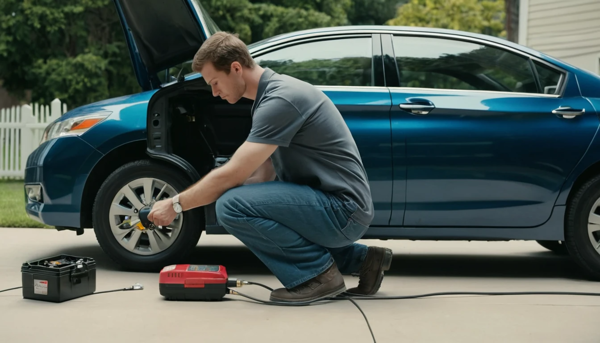
How to check tire pressure easily at home, gas stations, or dashboards. Follow this step-by-step DIY guide for safer, smoother driving today.🚗
How to Check Tire Pressure: Easy DIY Guide for Safety
Ever wondered if low tire pressure could secretly be draining your gas or risking your safety?
You’re not alone! It’s one of the simplest car checks—but often ignored. The good news? You can easily check your tire pressure at home, at a gas station, or even on your dashboard in just minutes. No need to be a mechanic!
In this step-by-step guide, you’ll learn exactly how to check tire pressure—with or without a gauge—and what to do with the results. Plus, we’ll show you how to check the tire pressure on popular cars like the Honda Accord, Toyota Corolla, and more.
Why Checking Tire Pressure Is So Important 🚨
Most people don’t think about tire pressure until a warning light flashes or the car starts to feel “off.” But here’s why you should:
- Better fuel economy (save $$ on gas)
- Longer-lasting tires
- Smoother handling and braking
- Less risk of blowouts or flats
- Improved safety—specialy in bad weather
According to the National Highway Traffic Safety Administration, underinflated tires are involved in over 11,000 accidents annually.
Bottom line: Proper pressure = safer and cheaper driving.
What Is the Recommended Tire Pressure for Your Car? 🎯
The correct PSI (pounds per square inch) varies by car. Most passenger vehicles fall between 32–35 PSI when tires are cold.
How to find your car’s recommended PSI:
- Check the driver’s side door sticker (usually near the latch)
- Look in your owner’s manual
- Don’t rely solely on the sidewall of the tire—that’s the maximum PSI, not the recommended one.
✅ Always check tire pressure when tires are cold—ideally before driving or after the car’s been parked for a few hours.
How to Check Tire Pressure at Home (With or Without a Gauge) 🏡
No fancy tools? No worries.
If you have a gauge:
- Unscrew the valve cap from the tire.
- Press the tire pressure gauge firmly on the valve stem.
- Read the PSI.
- Compare it to your car’s recommended PSI.
- Add or release air as needed.
No gauge? Try these tricks:
- Thumb press test: Press your thumb into the tire. If it feels too soft, it’s likely underinflated.
- Coin test: Place a penny headfirst into the tread. If Lincoln’s head is fully visible and the tire feels soft, it may need air.
- Visual check: Is the tire noticeably flatter than the others? That’s a red flag.
🛠️ Tip: Basic gauges cost less than $10 and can save you hundreds in tire wear!
Use This Tire Pressure Reference Chart for Quick Checks 📋
| Vehicle Type | Recommended PSI (Cold Tires) | Notes |
|---|---|---|
| Compact Cars | 32–35 PSI | Ideal for daily driving |
| Sedans & Crossovers | 33–36 PSI | Check monthly |
| SUVs | 35–40 PSI | Higher load capacity |
| Pickup Trucks | 40–45 PSI | Towing/load impacts pressure |
| Sports Cars | 30–35 PSI | Check before performance drives |
How to Check Tire Pressure at a Gas Station ⛽
You don’t need tools at home when most gas stations offer free or low-cost air pumps.
Here’s how to use one:
- Park close to the air pump.
- Remove your valve cap.
- Use the station’s built-in gauge or attach your own.
- Add air until you reach your target PSI.
- Double-check the pressure.
💡 Pro tip: Some stations like Wawa, Sheetz, and Costco offer free air. Others may charge $1.50–$2.00.
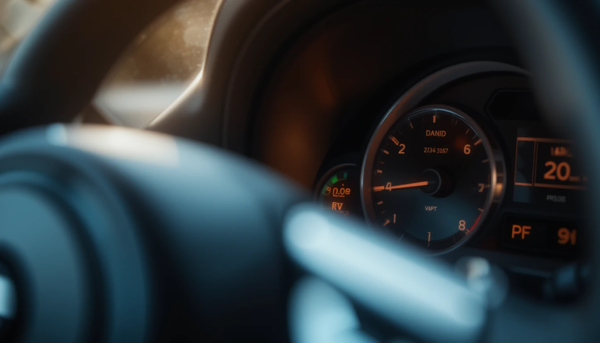
How to Read Tire Pressure on Your Dashboard 🖥️
If your car is newer, it likely has a Tire Pressure Monitoring System (TPMS).
What to look for:
- A yellow tire warning light on your dashboard
- A screen displaying tire PSI per wheel (varies by model)
If you see this light:
- Check pressure immediately.
- Add air if needed.
- If the light stays on, try resetting the TPMS (check your manual).
🛠️ A blinking light may mean a sensor issue, not low pressure.
How to Check the Tire Pressure on a Honda Accord, Civic, and More 🚘
Here’s how to check PSI on some popular models:
| Model | TPMS Display | Manual Check Method |
|---|---|---|
| 2018 Honda Accord | Yes | Use gauge if TPMS fails |
| 2022 Honda Accord | Yes (Advanced) | Dashboard shows PSI |
| 2020 Honda Civic | Yes | Dashboard or gauge |
| 2024 Honda Civic | Yes | Same as above |
| Toyota Corolla (all yrs) | Usually Yes | Manual gauge always works |
| Mazda CX-5 | Yes | Built-in or manual |
⚠️ Always check your manual to locate the TPMS reset button.
How to Use a Tire Pressure Gauge the Right Way 🎯
There are 3 types of tire pressure gauges:
- Stick gauges (cheap, compact, less precise)
- Dial/analog gauges (classic, easy to read)
- Digital gauges (most accurate)
How to use it:
- Press the gauge onto the valve stem
- Wait for the reading
- Compare against recommended PSI
- Repeat for all four tires
💡 Digital gauges are ideal for quick, accurate readings—
especialy for colder climates.
How to Check Tire Pressure Without a Gauge 🔍
Lost your gauge? No problem. Here are some low-tech methods:
- Use your car’s TPMS display (if available)
- Try the thumb press test or visual check
- Head to a gas station or auto parts store for a quick check
💬 “If in doubt, don’t guess—just stop by a free air pump station!”
How to Check Your Tire Pressure Sensor (TPMS) 🧠
Tire sensors can fail over time.
Signs of a faulty TPMS:
- Constant TPMS warning light
- Wrong PSI readings
- No display of tire info
To check or reset your TPMS:
- Inflate all tires to the recommended PSI
- Drive for 10–15 minutes
- If the light stays on, reset the system manually (check manual)
🧰 Sensor replacement typically costs $50–$100 per tire.
Where to Check Tire Pressure for Free (Yes, Really!) 💸
You don’t have to spend a dime to stay safe.
Here’s where you can check pressure free:
- AutoZone, Advance Auto Parts
- Discount Tire, Pep Boys
- Costco (members)
- Walmart Auto Centers
- Select gas stations and car washes
🏷️ Many of these locations will even top off the air for you!
Tire Pressure Tips for Winter and Summer ❄️☀️
Tire pressure fluctuates with temperature. Cold weather can lower PSI. Hot temps can increase it.
Seasonal Tips:
- In winter: Check PSI weekly (tires lose 1 PSI per 10°F drop)
- In summer: Don’t overinflate—hot air expands
- Always check when tires are cold
🌡️ A monthly check is best, but during extreme seasons, go weekly.
When Should You Check Tire Pressure? ⏰
Here’s a quick guide:
- At least once a month
- Before long road trips
- During seasonal temperature changes
- If your TPMS light comes on
- After tire service or rotations
🛠️ Always check when tires are cold for an accurate reading.
Final Thoughts: Stay Safe by Checking Tire Pressure Monthly ✅
Checking your tire pressure is quick, easy, and very important. You can use a digital gauge or visit the gas station. Proper tire pressure saves money and keeps you safe.
Here’s your checklist:
- Know your recommended PSI
- Check when tires are cold
- Use a gauge or dashboard
- Top off air when needed
- Repeat monthly or as needed
🧠 Now you know how to check your tire pressure like a pro—without breaking a sweat or your wallet.
FAQs
How to check tire pressure without a gauge?
You can use your TPMS display, thumb press method, or a gas station gauge.
How to check the tire pressure on a Honda Civic?
Use the dashboard TPMS or a manual gauge on each tire.
How to check tire pressure on a Toyota Corolla?
Check the driver’s door for PSI, then use a manual gauge or TPMS if available.
How to check air pressure at gas stations?
Remove the valve cap, use the attached air hose and built-in gauge to adjust PSI.
Where can I check tire pressure for free?
AutoZone, Pep Boys, and many gas stations offer free air checks and refills.
Sources
https://www.nhtsa.gov/equipment/tires
https://www.goodyear.com/en-US/learn/tire-basics/tire-pressure
https://www.consumerreports.org/cro/news/2015/11/why-tire-pressure-matters/index.htm


Leave a Reply