Nelson
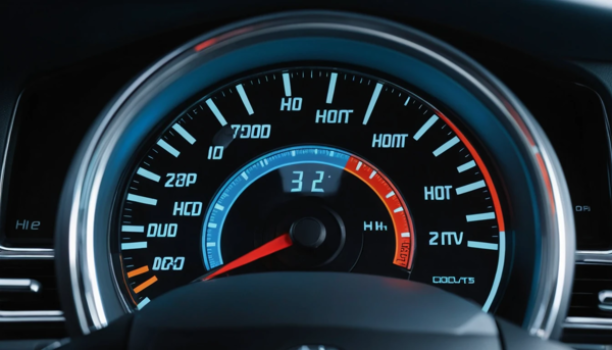
How to read coolant temperature gauge easily and accurately. Learn the meaning of your car’s temperature gauge and avoid engine trouble fast! 🚗
How to Read Coolant Temperature Gauge: Your Ultimate Guide
Ever looked at your car’s dashboard and wondered, “Is that needle supposed to be there?“ 😅 If you’ve ever felt confused or scared by your temperature gauge, you’re not alone. It might look like just another dial, but it’s very important for your engine’s health. Let’s make it simple to understand.
🔍 Why Your Coolant Temperature Gauge Matters
Your coolant temperature gauge is not just for looks. It helps you keep an eye on your engine’s temperature and avoid expensive damage.
When your engine runs, it gets hot. Coolant moves through the engine to take away this heat. This keeps everything at the right temperature. The gauge shows how hot it is, so you know if everything is okay or if there’s a problem.
A healthy car temp gauge means:
- Your engine doesn’t get too hot 🚗
- Fuel efficiency stays good
- You avoid costly repairs
- You catch coolant leaks early
In short? This little needle can save your engine.
📈 What Does the Temperature Gauge Tell You?
The temperature gauge shows how hot your engine’s coolant is. It goes from “C” (cold) to “H” (hot). The needle moves as your car warms up.
Here’s what the gauge can tell you:
- Needle at C: Your engine is cold, usually when it’s just started.
- Needle in the middle: Perfect! Your car is at the best operating temperature.
- Needle near H: Warning! Your engine is too hot — pull over and let it cool.
⚙️ How Does a Car Temperature Gauge Work?
It’s like a thermometer for your engine. It uses a temperature sensor or thermistor near the thermostat housing.
When coolant heats up:
- The sensor detects the temperature.
- It sends a signal to the dashboard.
- Your gauge shows this with a needle or digital display.
Cool, right? It’s simple tech doing big things.
Gauge Reading Cheat Sheet
| Needle Position | Meaning | Action Needed |
|---|---|---|
| On “C” | Cold engine | Normal if just started |
| Centered | Normal operating temp | You’re good! |
| Near “H” | Overheating | Pull over ASAP! |
🔮 What Should Temp Gauge Read on Car?
In most cars, the normal engine temperature is between 195 to 220 degrees Fahrenheit (90°C to 105°C). On the gauge, this is usually right in the middle.
- Too low (stuck on C): Possible thermostat failure or sensor issue
- Too high (approaching H): Could mean low coolant, bad radiator, or fan malfunction
If the needle moves a lot, your car is trying to tell you something’s off.
🔍 Normal Engine Temperature in Celsius
If your car shows temps in Celsius, look for 90°C to 105°C as the safe range.
| Reading (°C) | Status | Description |
| Under 70°C | Too Cold | Engine not warmed up |
| 90°C – 105°C | Perfect Range | Ideal for performance & economy |
| Above 115°C | Too Hot | Danger zone — possible overheating |
🤦️ Where Should the Temperature Gauge Be on a Car?
The sweet spot for your gauge? Smack dab in the middle.
When your engine warms up, the needle will rise and settle at the center. If it’s lower or higher than usual, it might point to:
- Bad thermostat
- Failing water pump
- Radiator issues
Keep an eye out for changes, specially in extreme weather.
✅ How to Read a Temperature Gauge on a Car
Here’s a simple walkthrough:
- Start your car and let it idle.
- Watch the needle slowly rise toward the middle.
- Once it hits the middle, you’re in the clear.
- If it climbs higher, shut off your car and check coolant.
- If it stays on cold, your thermostat may be stuck.
Always read your owner’s manual for your car’s specific behavior.
✉️ How to Read a Temperature Gauge Without Tools
No OBD reader? No problem.
Just follow these visual and feel-based checks:
- Needle behavior when idling
- Temperature consistency while driving
- Warm air from vents (means coolant is circulating)
🚩 Red Flag: If it spikes suddenly, that’s a sign to stop driving.
🌟 How to Read a Temperature Gauge on a Toyota
Toyota dashboards usually have a C-to-H dial or digital display. Here’s what to look for:
- Needle should move to the middle within 5-10 mins of driving.
- Flashing temp light? Pull over immediately.
- On hybrids, temperature may take longer to register.
⚡ How to Read Engine Temperature Gauge Accurately
Want extra precision? Compare your gauge to an OBD-II scanner or digital thermometer. This lets you:
- Monitor exact temperature
- Confirm if your gauge is faulty
- Detect early issues before they worsen
Accuracy = peace of mind 😌
Causes of High or Low Gauge Readings
| Issue | Possible Cause | Fix |
| Gauge too high | Low coolant, broken fan | Refill/fix radiator fan |
| Gauge too low | Stuck thermostat, sensor | Replace parts |
| Fluctuating needle | Air pockets in system | Bleed coolant lines |
🚨 Car Temperature Gauge High: What It Means
High gauge readings mean danger. Your engine might be too hot.
Common causes:
- Leaking coolant
- Bad water pump
- Failed radiator fan
- Clogged hoses
Don’t ignore this! Turn off the car, let it cool, and check the coolant level. If unsure, call a mechanic.
❄️ Car Temperature Gauge Cold
Always cold? That might seem safe, but it can mean:
- A stuck-open thermostat
- Bad temp sensor
- Poor fuel efficiency
Your engine needs to warm up to run well. Constant cold readings can harm it.
🚗 Car Temperature Gauge Over Halfway
It shouldn’t climb much past halfway. If it does:
- You may be stuck in traffic without proper airflow
- Radiator fan may be failing
- Coolant may be low
Turn off A/C, switch on heat, and monitor the gauge. If it keeps rising, pull over.
❓ What Does It Mean When Temperature Gauge is on C?
This means your engine is cold. It’s common when:
- First starting the car
- Driving in very cold weather
But if it never moves off C, your thermostat might be stuck open. Get it checked!
⏳ How to Check the Temperature Gauge on a Car
You can check it manually by:
- Turning the key to “ON”
- Watching the needle’s movement while warming up
- Noting how it behaves while driving
If you suspect issues, compare your gauge with an infrared thermometer on the engine block.
✊ Final Thoughts: Master Your Car’s Temperature Gauge
Your car’s temperature gauge is a simple but powerful tool. It warns you about overheating, helps improve performance, and prevents major repairs. Keep an eye on that needle every time you drive.
A little attention now can save a lot of stress (and money!) later. 💸
🤔 FAQs
How do I know if my car is overheating while driving?
Watch the temperature gauge. If it’s over halfway or near H, pull over.
Why is my car temperature gauge staying cold?
Likely due to a stuck thermostat or a broken temperature sensor.
What is the normal range for a car temperature gauge?
Usually, right in the middle. Between 195-220°F or 90-105°C.
How can I fix a high car temperature gauge?
Check coolant level, inspect fan, and flush radiator if needed.
Should I worry if my temperature gauge fluctuates?
Yes. Fluctuations could mean air in the system or a failing part.