

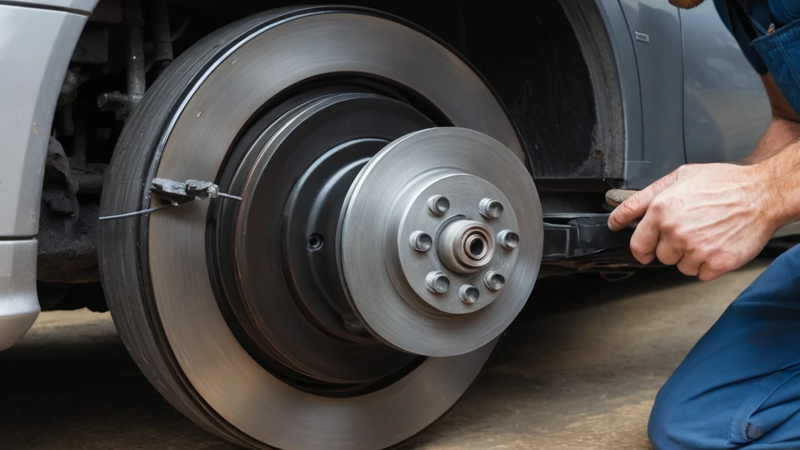
How to fix squeaky brakes with simple DIY steps, easy inspections, and proven tips to stop brake noise and improve driving safety.
Squeaky brakes are usually caused by worn brake pads, moisture, dirt buildup, or lack of lubrication. In most cases, you can fix squeaky brakes by cleaning the brake components, replacing worn pads, lubricating contact points, or repairing damaged rotors. Regular brake maintenance also prevents future squealing and improves driving safety.
How To Fix Squeaky Brakes
Have you ever stepped on your brakes at a stoplight and heard a loud squeal that made everyone stare at your car? 😅 Many drivers ignore brake noise at first, but that small squeak can quickly turn into a serious problem. The good news is that most squeaky brake issues are easier to fix than people think.
Brake squealing is one of the most common car problems in the U.S. Sometimes the fix takes only a few minutes. Other times, you may need replacement parts or professional help. Knowing the difference can save you money and keep your vehicle safe on the road.
🚗 Why Do Brakes Squeak?
Brakes squeak because of vibration between the brake pads and rotors. When these parts rub together, they can create high-pitched sounds. This usually happens when something interrupts smooth contact between the braking surfaces.
Moisture is a common cause of temporary brake squeaking. Morning dew or rain can leave a thin rust layer on the rotors overnight. Once you drive a few minutes, the sound often disappears. Dirt, dust, or debris can also trigger annoying brake noises.
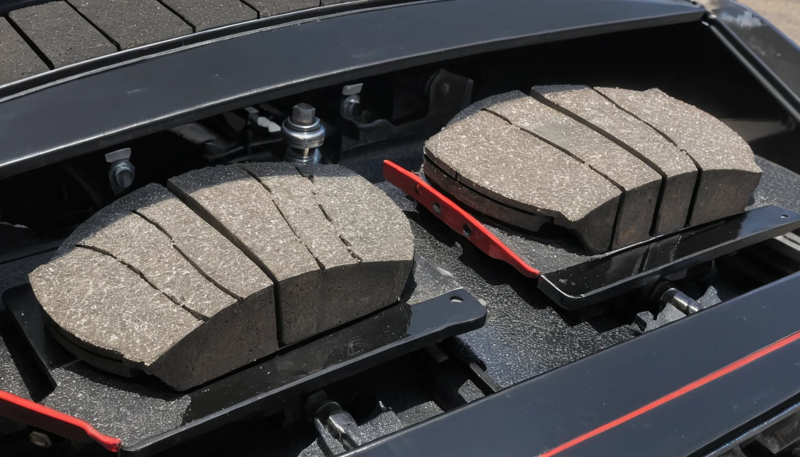
Worn brake pads are another major reason. Many brake pads contain wear indicators that intentionally squeal when the pads become thin. This sound warns drivers to replace the pads before damage gets worse.
🔍 Signs Your Brake Noise Needs Immediate Attention
Some brake noises are harmless, while others signal danger. It is important to know when squeaking means you should stop driving immediately.
Watch for these warning signs:
- Grinding sounds instead of squealing
- Vibrations while braking
- Burning smells near the wheels
- Longer stopping distances
- Brake warning lights on the dashboard
- Pulling to one side while braking
If your brakes make loud grinding noises, your brake pads may already be completely worn out. That can damage the rotors and lead to expensive repairs.
| Common Brake Noise | Possible Cause | Urgency Level |
| Light squeak in morning | Moisture or rust | Low |
| Constant squealing | Worn brake pads | Medium |
| Grinding noise | Metal-to-metal contact | High |
| Clicking sound | Loose brake hardware | Medium |
| Vibrating brakes | Warped rotors | High |
🛠️ How To Fix Squeaky Brakes At Home
Many brake squeaks can be fixed without visiting a mechanic. If you have basic tools and some patience, you can often solve the problem yourself.
Start by parking your vehicle on a flat surface. Use wheel chocks and engage the parking brake. Safety always comes first when working around wheels and braking systems.
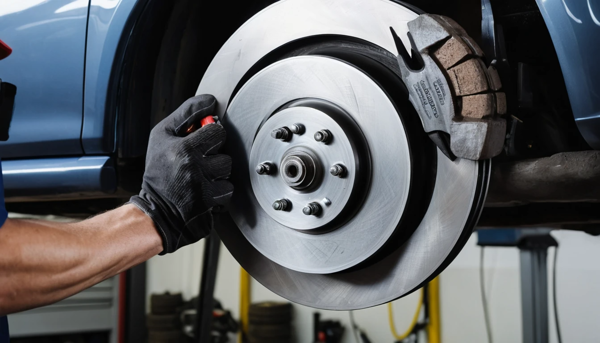
Remove the wheel carefully and inspect the brake components. Look for worn pads, rust buildup, dirt, or damaged clips. A simple inspection often reveals the source of the squeak.
🧼 Clean Dirty Brake Components Properly
Brake dust and road debris often create squeaky brakes. Cleaning the brake assembly can sometimes solve the issue completely.
Use a quality brake cleaner spray to remove dust from the pads and rotors. Never use compressed air because brake dust may contain harmful particles. Wipe the area gently with a clean cloth after spraying.
Pay close attention to the brake caliper and rotor surfaces. Dirt trapped between these components can cause vibration and squealing. Clean brakes also improve braking performance and extend component life. ✨
Helpful Cleaning Supplies
- Brake cleaner spray
- Microfiber cloths
- Wire brush
- Safety gloves
- Protective eyewear
🔧 Replace Worn Brake Pads
Brake pads naturally wear down over time. Once the friction material becomes thin, the wear indicator starts making noise.
Inspect the brake pad thickness carefully. Most pads should have at least one-quarter inch of material remaining. If the pads look thin, replacement is necessary.
When installing new brake pads, always replace them in pairs on the same axle. Uneven pads can affect braking balance and safety. Quality ceramic brake pads also tend to produce less noise than cheaper options.
🛞 Check The Brake Rotors For Damage
Damaged rotors often create squealing and vibration. Rotors should look smooth and even across the surface.
If you notice deep grooves, scoring, or blue discoloration, the rotors may need resurfacing or replacement. Warped rotors can also cause pulsing while braking.
Sometimes replacing brake pads without fixing damaged rotors leads to continued noise. Both parts work together, so they should be inspected at the same time.
| Rotor Condition | What It Means | Recommended Fix |
| Smooth surface | Normal wear | No repair needed |
| Light rust | Moisture exposure | Drive and monitor |
| Deep grooves | Severe wear | Replace rotor |
| Blue spots | Overheating | Replace rotor |
| Uneven surface | Warping | Resurface or replace |
🧴 Lubricate Brake Hardware Correctly
Lack of lubrication is a hidden cause of squeaky brakes. Brake components need lubrication at specific contact points to reduce vibration.
Apply brake grease to the back of the brake pads and caliper contact areas. Never place grease on the rotor or braking surface. That can reduce stopping power and create dangerous driving conditions.
Use only high-temperature brake lubricant designed for automotive systems. Regular grease cannot handle brake heat and may fail quickly.
⚙️ Inspect Brake Calipers Carefully
Brake calipers press the brake pads against the rotor. If a caliper sticks or becomes damaged, it can create constant squealing.
Look for uneven brake pad wear during inspection. Uneven wear often signals a stuck caliper slide pin or piston issue. A seized caliper can also cause your car to pull sideways during braking.
Sometimes cleaning and lubricating the caliper slide pins fixes the problem. In severe cases, the caliper may need replacement.
🌧️ Moisture And Weather Can Cause Brake Squeaks
Many drivers panic when their brakes squeak after rain. In reality, moisture-related squeaking is usually temporary.
Water creates a thin rust layer on metal rotors overnight. The first few brake applications scrape away the rust and restore normal operation.
Cold weather can also affect brake materials. Some brake pads naturally squeak more during low temperatures. Once the brakes warm up, the sound often fades away.
Weather-Related Brake Noises
- Morning squeaks after rain
- Light rust on rotors
- Temporary cold-weather squeals
- Noise after car washing
If the squeak disappears within a few minutes of driving, the issue is usually harmless.
🚨 When Squeaky Brakes Become Dangerous
Not every brake squeak is minor. Some noises indicate serious wear or mechanical failure.
A grinding sound means metal parts are scraping together. This usually happens when the brake pad material is completely gone. Continuing to drive can destroy the rotors and increase repair costs dramatically.
Brake fade is another dangerous issue. If your brakes feel soft or weak, stop driving immediately. Brake problems directly affect vehicle safety and should never be ignored.
“Your brakes are the most important safety system in your car. Small noises today can become major failures tomorrow.”
🔩 Use Anti-Squeal Brake Products
Many mechanics use anti-squeal products during brake installation. These products help reduce vibration and eliminate noise.
Brake shims are thin layers placed behind the brake pads. They absorb vibration and reduce squealing. Some brake pads already include built-in shims for quieter performance.
Anti-squeal paste is another effective option. It creates a cushion between metal contact points and minimizes noise during braking.
| Anti-Squeal Solution | Purpose | Best For |
| Brake shims | Reduce vibration | Daily driving |
| Brake grease | Lubricate contact points | DIY repairs |
| Ceramic pads | Lower brake dust | Quiet braking |
| Anti-squeal paste | Minimize noise | Older vehicles |
🔍 How Long Do Brake Pads Last?
Brake pad lifespan depends on driving habits and road conditions. Most brake pads last between 30,000 and 70,000 miles.
City driving wears brakes faster because of frequent stopping. Highway driving usually extends brake life. Aggressive braking habits also shorten pad lifespan significantly.
Heavy vehicles and towing increase brake stress too. Regular inspections help catch problems before they become serious.
Signs You Need New Brake Pads
- Persistent squealing
- Grinding sounds
- Thin brake pad material
- Brake warning light
- Reduced braking performance
🚘 Best Brake Pads For Quiet Performance
Some brake pad materials are quieter than others. Choosing the right type can prevent future squeaking.
Ceramic brake pads are popular for quiet operation and low dust production. They perform well for daily commuting and family vehicles. Semi-metallic pads provide strong stopping power but may create more noise.
Organic brake pads are usually quieter at first but wear faster over time. Each option has advantages depending on your driving needs.
Common Brake Pad Types
- Ceramic Pads – Quiet and clean
- Semi-Metallic Pads – Durable and powerful
- Organic Pads – Softer and affordable
🧰 Tools Needed To Fix Squeaky Brakes
Having the right tools makes brake repairs easier and safer. Many DIY brake jobs require only basic equipment.
Essential tools include a jack, lug wrench, brake cleaner, socket set, and brake grease. A torque wrench is also important for properly tightening wheel nuts.
Always work on a cool braking system. Hot brake components can cause burns and injuries.
Basic DIY Brake Tools
- Hydraulic jack
- Jack stands
- Lug wrench
- Socket set
- Brake cleaner
- Brake grease
- Gloves and eye protection 🧤
👨🔧 When To Visit A Professional Mechanic
Some brake issues require professional repair. If you feel unsure about brake work, it is always safer to visit a certified mechanic.
Complex problems like hydraulic leaks, ABS failures, or seized calipers need specialized tools and experience. A mechanic can also measure rotor thickness accurately and inspect hidden damage.
Professional inspections are especially important if your vehicle shakes, pulls, or struggles to stop. Your safety should always come before saving money.
💡 Tips To Prevent Squeaky Brakes
Preventive maintenance keeps brakes quiet and reliable. Simple habits can greatly reduce brake noise and wear.
Avoid hard braking whenever possible. Smooth stopping reduces heat buildup and extends component life. Regular inspections also catch minor issues early.
Keep your braking system clean and replace worn parts promptly. Cheap brake components often wear faster and create more noise over time.
Smart Brake Maintenance Habits
- Rotate tires regularly
- Inspect brakes every 10,000 miles
- Use quality brake pads
- Avoid riding the brakes downhill
- Replace damaged hardware quickly
🚦Can You Drive With Squeaky Brakes?
Sometimes yes, but it depends on the cause. Temporary squeaks from moisture are usually harmless. Constant squealing or grinding is a different story.
If your vehicle still stops normally and the sound disappears quickly, the issue may be minor. However, persistent noise should never be ignored for long.
Brakes are critical safety components. Even small warning signs deserve attention before they become expensive or dangerous.
🏁 Conclusion
Learning how to fix squeaky brakes can save money, improve vehicle safety, and prevent bigger repair bills later. Most brake squeaks happen because of dirt, moisture, worn brake pads, damaged rotors, or missing lubrication. Thankfully, many of these problems can be solved with basic tools and regular maintenance.
Start by inspecting the brake pads, rotors, and calipers carefully. Clean dirty components, replace worn parts, and use proper brake lubricant where needed. If the noise continues or your braking performance changes, contact a professional mechanic immediately.
Quiet brakes are not just about comfort. They are a sign your vehicle is safer and working properly every time you drive. 🚗✨
FAQs
How Do I Stop Brakes From Squeaking After Rain?
Moisture creates a thin rust layer on the rotors overnight. This usually disappears after a few brake applications. If the squeak continues all day, inspect the brake pads and rotors for wear.
Why Do New Brake Pads Squeak Loudly?
New brake pads sometimes squeak during the break-in process. Improper installation or missing brake grease can also cause noise. The sound usually improves after several driving cycles.
Can Low Brake Fluid Cause Squeaky Brakes?
Low brake fluid usually affects brake pressure rather than causing squeaks directly. However, low fluid may signal worn brake pads or leaks. It is important to inspect the full braking system.
How Much Does It Cost To Fix Squeaky Brakes?
Simple brake cleaning may cost very little if done at home. Brake pad replacement usually ranges from moderate to expensive depending on the vehicle. Rotor or caliper repairs increase the total cost.
Are Squeaky Brakes Always A Serious Problem?
Not always. Moisture, dirt, or temperature changes can cause harmless temporary squeaks. Persistent squealing, grinding, or poor braking performance should be checked immediately.


Leave a Reply